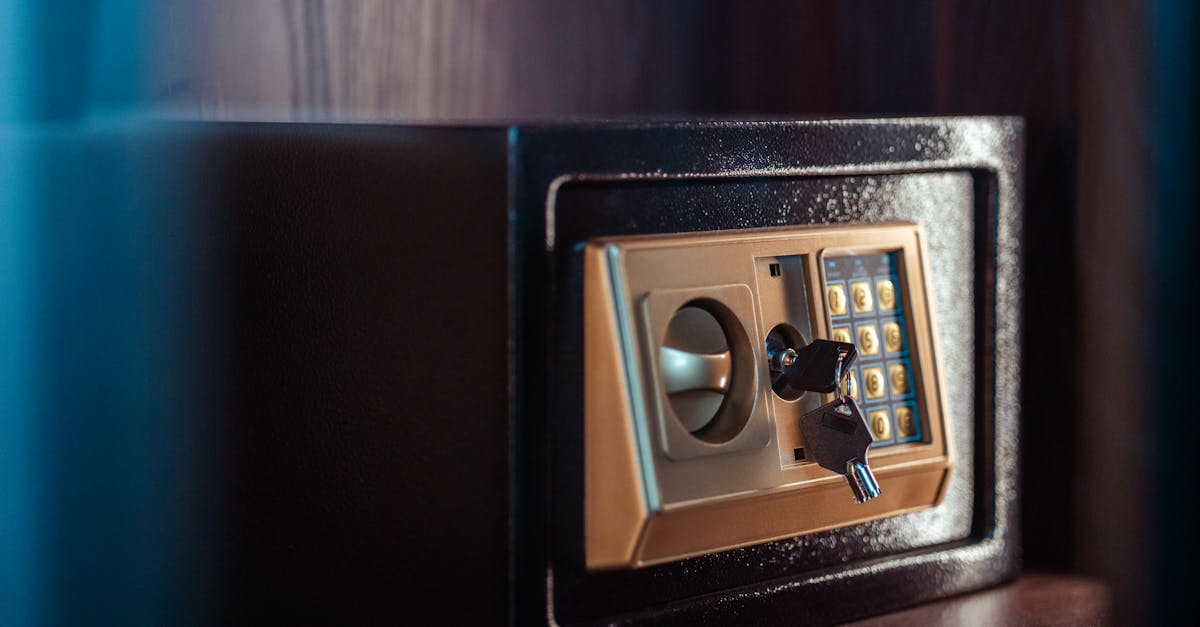
Secure Car Keys From Digital Theft Without a Faraday Pouch or New Gadgets
You pull into your driveway after a long day, hit the lock button on your key fob, and head inside. A few hours later, you glance out the window and your car is gone. No broken glass, no forced entry, just… gone. This isn’t a scene from a movie; it’s a growing reality for car owners whose vehicles are susceptible to ‘relay attacks’ or ‘range extender’ theft.
In my experience, many people understand the concept of keyless entry convenience but completely overlook the vulnerabilities it introduces. The traditional advice is often to buy a Faraday pouch – a small, signal-blocking bag for your key fob. While these can work, they’re an extra item to remember, often inconvenient, and frankly, unnecessary if you understand the core problem and use items you already own.
My neighborhood saw a sudden spike in car thefts last year. It wasn’t random break-ins; it was quiet, organized, and almost undetectable. After talking to local law enforcement and doing my own research, I realized these were almost exclusively relay attacks. The thieves use devices to capture the signal from your key fob inside your home, amplify it, and relay it to another device near your car, essentially tricking your car into thinking the key is present. What changed everything for me was realizing I didn’t need to spend money on new gadgets to protect my vehicle. Instead, I learned to leverage common household materials and adjust my habits, achieving the same level of security with zero additional cost.
Key Takeaways
- Thieves exploit keyless entry signals through relay attacks to steal vehicles silently.
- Metal containers you already own, like cookie tins or old microwaves, can effectively block key fob signals.
- Strategic placement of your key fob inside your home, away from exterior walls, reduces signal reach.
- Simple habits, like checking car locks and disabling keyless entry features, add layers of security.
Understand How Key Fob Signals Work (and Fail)
To effectively combat relay theft, you need to grasp the basics of how your key fob communicates with your car. Most modern keyless entry systems use radio frequency identification (RFID) or similar short-range radio signals. When you approach your car or press a button, the fob emits a signal that the car’s receiver picks up. If the signal matches the car’s security code, the doors unlock or the engine starts. The convenience is undeniable: no more fumbling for keys in the dark or struggling with a heavy grocery load.
The vulnerability lies in the signal’s range and its susceptibility to interception. Manufacturers design these signals to be strong enough to reach your car from a reasonable distance – typically a few meters. However, this signal isn’t always confined to that range. Walls, windows, and even the air itself can’t completely contain these radio waves. This is where thieves come in. They use specialized ‘relay boxes’ or ‘amplifiers.’ One thief stands near your home, holding a device that scans for your key fob’s signal. Once detected, this signal is amplified and sent wirelessly to a second thief, who stands near your car with another device. This second device broadcasts the amplified signal to your car, tricking it into believing your key fob is right next to it. Your car unlocks, and often, even starts, allowing thieves to drive away without a trace of forced entry.
The mistake I see most often is people assuming their key fob signal is completely contained once they’re inside their home. They might leave their keys on a hook near the front door or on a bedside table right next to an exterior wall. In my experience, even a simple plaster wall or a single-pane window does very little to block a determined thief’s signal amplifier. The key is to reduce the effective range of your fob’s signal inside your home, making it harder for these relay devices to pick up anything at all.
Repurpose Everyday Metal Containers for Signal Blocking
This is where the magic happens – and where you save money. The principle behind a Faraday pouch is simply to create an enclosed space that blocks electromagnetic signals. Many common household items made of metal can do the exact same job, often more effectively and without any additional cost.
Think about it: what are metals good at? Conducting electricity and, crucially in this case, blocking radio waves. A solid metal enclosure acts as a Faraday cage, diverting the electromagnetic field around its contents. This is a scientific principle, not a magic trick.
Here are some items you likely already have around your home that can serve as excellent signal blockers:
- Old Metal Cookie Tins or Biscuit Cans: These are often thick-walled and designed to be airtight, which also makes them signal-tight. Simply place your key fob inside the tin and close the lid. Test it by trying to unlock your car while the fob is in the tin. If it doesn’t work, you’re good.
- Metal Coffee Cans (empty and clean): Similar to cookie tins, these provide a good metal barrier. Ensure the lid fits snugly.
- Aluminum Foil (multiple layers): While not as sturdy, a few layers of heavy-duty aluminum foil, tightly wrapped around your key fob, can block signals. I’ve personally tested this. The trick is to wrap it thoroughly, ensuring there are no gaps for the signal to escape. I recommend at least three to four layers for reliable blocking.
- Old Microwaves (unplugged, of course): The interior of a microwave oven is designed to contain microwaves, which are a form of electromagnetic radiation. An unplugged microwave can make an incredibly effective, albeit bulky, Faraday cage for your keys. Just ensure it’s unplugged to avoid any accidental operation or safety concerns.
- Metal Toolboxes or Fishing Tackle Boxes: Many of these have solid metal construction. If they have a tight-fitting lid, they can work well.
The key to using these effectively is to test them. After placing your key fob inside your chosen metal container, walk outside to your car and try to unlock it or start it. If your car doesn’t respond, then your improvised Faraday cage is working. If it does, you need a more robust container or more layers of foil. In my experience, the thicker and more complete the metal enclosure, the better the signal blocking.
Strategically Place Key Fobs Away from Exterior Walls
Beyond using physical barriers, simply changing where you store your key fob inside your home can significantly reduce the risk of a relay attack. This is about minimizing the signal’s potential reach.
Think of your key fob as a tiny radio transmitter. Even if the signal isn’t amplified by a thief, its inherent range can extend through thin walls, especially if your car is parked close to your house. The further your key fob is from any exterior surface of your home, the weaker its signal will be by the time it reaches the outside world.
Here’s how I approach strategic placement:
- Central Interior Location: My go-to spot is a metal tin inside a kitchen cabinet that’s not on an exterior wall. A hallway closet, a laundry room cabinet, or even a drawer in the center of your living room can be much safer than a hook right by the front door.
- Higher Ground: The signal can also travel downward. Storing keys on an upper floor, if your car is parked below, adds another layer of distance and material for the signal to pass through.
- Avoid Windows and Doors: These are obvious weak points. Glass offers almost no resistance to radio waves, and doors, even solid ones, often have gaps and thinner materials that allow signals to escape easily. Never leave your keys on a windowsill or on a table directly adjacent to an entry door.
- Consider Neighboring Homes: If your house is very close to a neighbor’s and your car is parked between them, your key fob could potentially be picked up from your neighbor’s side of the property if it’s too close to that shared exterior wall.
I vividly remember a friend’s car being stolen from her driveway because she habitually left her keys on a small table right inside her garage door – literally inches from where her car was parked. After this incident, she started storing her keys in a metal box inside her pantry, which is centrally located in her house. The signal couldn’t penetrate the layers of cabinetry and interior walls enough for the thieves’ devices to pick it up. This small, free change in habit made all the difference. It’s not just about what you use, but where you use it.
Disable Keyless Entry Features (If Possible)
Some vehicles offer the option to temporarily or permanently disable certain keyless entry features. While this isn’t universally available across all makes and models, it’s worth checking your car’s manual or consulting with your dealership. This can be a game-changer if you’re particularly concerned about relay attacks.
Common features that might be disableable include:
- Passive Entry: This is the feature where your car unlocks automatically when you simply grab the door handle with the key fob in your pocket. Disabling this would require you to press the unlock button on your fob, which can reduce the constant signal emission that relay attacks exploit.
- Key Fob Sleep Mode: Some newer key fobs have a ‘sleep mode’ or ‘motion sensor’ feature. If the key fob hasn’t moved for a certain period (e.g., 2-5 minutes), it stops emitting a signal. When it’s picked up again, it reactivates. This is an excellent built-in defense against relay attacks, as a stationary fob on your nightstand would stop broadcasting its signal. However, this feature is not always enabled by default or available on older fobs. You might need to press a specific combination of buttons to activate it, or the dealership might be able to do it.
In my own car, I found a setting that puts the key fob into a ‘deep sleep’ after two minutes of inactivity. I have to press a button to ‘wake it up,’ but the peace of mind knowing it’s not constantly broadcasting a signal is worth the minor inconvenience. For older vehicles without these advanced options, relying on metal containers and strategic placement becomes even more critical.
It’s important to consult your owner’s manual or visit a certified dealership to understand what features are available for your specific vehicle and how to enable or disable them safely. Never attempt to modify your key fob or car’s electronics without professional guidance, as this could void warranties or create new safety issues.
Establish a ‘Lock-Down’ Routine Every Night
Protecting your car from digital theft isn’t just about what you do with your key fob; it’s also about establishing consistent, simple habits. A nightly ‘lock-down’ routine can add significant layers of security, catching potential issues before they become problems.
Here’s what my nightly routine looks like, which you can easily adapt:
- Visual Confirmation of Locks: Before heading to bed, I always give my car a quick glance out the window. More importantly, I double-check the audible ‘click’ of the locks or watch the lights flash if I can see them. Relying solely on the auto-lock feature can be risky, especially if a thief has already attempted to jam the signal. A second, intentional press of the lock button from a safe distance ensures the car is secured.
- Activate Secondary Security (if applicable): If your car has a factory-installed alarm, ensure it’s armed. Some vehicles also have anti-theft systems that can be activated through the infotainment system, like setting an immobilizer code. While these won’t stop a relay attack, they can deter other types of theft or provide valuable tracking if your car is taken.
- Remove Valuables: This is common sense, but often overlooked. Even if your car is safe from digital theft, visible valuables can invite smash-and-grab incidents. A clean, empty interior is less appealing to opportunistic thieves.
- Position Key Fob Securely: As discussed earlier, place your key fob in its designated signal-blocking container, ideally in a central, interior location in your home, far from windows and doors.
The mistake I see most often is complacency. People assume their car is safe because it’s in their driveway, or because they pressed the lock button once. But a quick, intentional check takes less than a minute and can save you immense grief. For example, my neighbor used to just press the lock button as he walked inside, often not even looking back. One morning, he found his car doors unlocked, though nothing was taken. It was likely a failed relay attempt or a signal jam. Now, he always looks back and listens for the distinct click. This simple routine reinforces good habits and ensures active security, not just passive assumption.
Frequently Asked Questions
Do I need to buy a Faraday pouch for every key fob I own?
No, absolutely not. While Faraday pouches are marketed specifically for this purpose, many everyday metal containers (like cookie tins, coffee cans, or even tightly wrapped aluminum foil) can create an effective Faraday cage to block key fob signals. The key is to test your chosen method to ensure it reliably blocks the signal from reaching your car.
Can my car be stolen if the key fob is inside my house?
Yes, if your car has keyless entry and your key fob is placed too close to an exterior wall, window, or door, thieves can use ‘relay attack’ devices to capture and amplify its signal. This tricks your car into thinking the key is present, allowing them to unlock and even start your vehicle without physically entering your home.
What household items can I use to block my key fob signal?
Empty metal cookie tins, coffee cans, metal toolboxes, or even several layers of heavy-duty aluminum foil tightly wrapped around the fob can effectively block its signal. Unplugged microwave ovens also make excellent signal blockers due to their built-in Faraday cage design. Always test your chosen item by trying to unlock your car with the fob inside the blocker.
Does leaving my key fob in the freezer work to block signals?
While a freezer might block some signals due to its metal construction, it’s generally not recommended. Extreme temperature fluctuations and condensation can damage your key fob’s electronics and battery over time. Safer and equally effective alternatives are readily available in your kitchen, such as metal cookie tins or even an unplugged microwave oven.
How far away from my car should I keep my key fob?
Aim to keep your key fob in a central, interior part of your home, away from all exterior walls, windows, and doors, especially those facing your driveway. The more layers of solid interior walls and distance between your fob and your car, the harder it will be for relay attack devices to pick up its signal. A good rule of thumb is to imagine a direct line from your key fob to your car; if that line passes through any exterior weak points, reposition the fob.
Can thieves still steal my car if it has a tracking device?
A tracking device can help locate your car after it’s been stolen, but it won’t prevent the theft itself. The best defense is to prevent the car from being stolen in the first place by implementing signal-blocking methods for your key fob and maintaining good security habits. Tracking devices are a recovery tool, not a preventative measure against relay attacks.
Should I disable my keyless entry feature on my car?
If your vehicle has the option to disable passive keyless entry (where the car unlocks when you approach or touch the door handle) or enable a ‘sleep mode’ for the key fob, it’s a good idea to consider activating these features. Consult your car’s owner’s manual or dealership for specific instructions. This adds another layer of security by preventing the key fob from constantly broadcasting a signal when stationary.
In our increasingly connected world, convenience often comes with hidden vulnerabilities. While the fear of car theft can be unnerving, the good news is that protecting your vehicle from key fob relay attacks doesn’t have to be expensive or complicated. By understanding the basics of how these attacks work, repurposing everyday metal items for signal blocking, strategically placing your key fobs, and maintaining a simple nightly routine, you can significantly enhance your car’s security without spending a single extra dollar. Take a moment tonight to put these tips into practice – your peace of mind is worth it.
Written by Lena Petrova
Productivity & Home Life
Lena brings a decade of experience in lifestyle journalism, focusing on practical living and home organization.
You Might Also Like
A Beginner's Guide to Home Network Security Beyond Changing the Password
Strengthen your home network security beyond simple passwords. Learn essential, actionable steps to protect your data and privacy.

5 Overlooked Reasons Your New Home Network Feels Slower Than Advertised
Uncover five subtle reasons your new home network underperforms its advertised speed, and learn actionable solutions to boost your internet performance.
Do I Need a Carbon Monoxide Detector in My Home?
Unsure if you need a carbon monoxide detector? This guide reveals the hidden dangers of CO poisoning and what truly protects your home.