Do I Need a Carbon Monoxide Detector in My Home?
You probably think of carbon monoxide (CO) as a problem for poorly maintained furnaces or faulty gas appliances. You might even assume that because you have electric heating and cooking, you’re immune. In my experience, this couldn’t be further from the truth. The biggest mistake I see homeowners make is complacency, believing CO poisoning is a rare, almost cinematic event, or that it only affects specific types of homes. The reality is far more insidious: CO is an invisible, odorless, tasteless gas that can be produced by a surprising number of common household items, even in ‘all-electric’ homes. It’s a silent killer that gives no warning signs until it’s too late.
What changed everything for me was a simple, yet stark, incident involving a neighbor. Their home was less than five years old, all-electric, and seemingly safe. Yet, a small, cracked flue in their attached garage, allowing exhaust from their car to seep into the living space, led to a near-fatal exposure. It wasn’t the dramatic scenario of an old gas heater failing; it was a subtle, almost imperceptible leak that grew over time. This cemented my opinion: every single home needs multiple carbon monoxide detectors, regardless of its age or fuel source. Ignoring this is like driving without a seatbelt because you’re a ‘safe driver’ – you’re only protecting against what you can control, not the unexpected.
Key Takeaways
- Carbon monoxide (CO) detectors are essential safety devices for every home, irrespective of fuel source or age.
- CO is produced by the incomplete combustion of fuels, including gasoline, wood, propane, and natural gas, even from sources outside the living space.
- Place detectors on every level of your home, near sleeping areas, and adjacent to attached garages.
- Choose detectors with a digital display and opt for models with a 10-year battery life or wired units with battery backup.
Carbon Monoxide Isn’t Just a ‘Gas Appliance’ Problem
Many homeowners operate under the misconception that carbon monoxide is exclusively a byproduct of natural gas, propane, or oil furnaces and water heaters. While these are indeed common sources, they represent only a fraction of the potential dangers. The fundamental truth about CO is that it results from incomplete combustion of any carbon-based fuel. This broad definition opens the door to a surprising number of sources, many of which are present in homes that consider themselves ‘all-electric.’
Consider your attached garage. Even if you only start your car to back it out, those brief moments of engine operation produce carbon monoxide. If your garage is sealed poorly, or if you have an older car with a less efficient exhaust system, those fumes can easily seep into your living space, especially in colder months when homes are sealed tighter. I’ve personally seen a case where a homeowner’s lawnmower, stored in their attached garage after being used, off-gassed enough CO to trigger a detector in the adjacent kitchen. This wasn’t a running engine; it was residual fumes from a recently operated internal combustion engine. Barbecue grills, even when cooled, can sometimes retain embers or produce residual CO. If brought too close to an open window or door, or worse, stored in an attached garage while still warm, they become a risk.
Wood-burning fireplaces and stoves are obvious culprits, but even a tightly sealed, well-maintained unit can pose a risk if the chimney flue is partially blocked by debris like bird nests or creosote buildup. The same applies to portable kerosene or propane heaters used in workshops or during power outages. These are designed for outdoor or well-ventilated use, yet I’ve encountered numerous instances of them being used indoors ‘just for a little while.’ The CO produced can quickly reach dangerous levels in an enclosed space. The bottom line here is that relying on the ‘type of fuel’ your primary appliances use is a dangerously narrow view of CO risk. Any item that burns fuel, even intermittently or in an adjacent space, is a potential source, and a detector is your only true safeguard.
The Real Danger: It’s Subtle, Not Dramatic
The image of carbon monoxide poisoning often involves someone collapsing dramatically, sirens wailing, or a visible gas cloud – but this is largely fiction. The true danger of CO lies in its subtlety. It’s an invisible, odorless, tasteless gas that mimics common ailments, making it incredibly difficult to self-diagnose until it’s too late. I’ve had conversations with people who experienced mild CO exposure, and their descriptions often sounded like a bad flu or persistent headache, easily dismissed as stress or a seasonal virus.
Think about it: the early symptoms of CO poisoning are often headaches, dizziness, nausea, fatigue, and shortness of breath. How many times have you, or someone you know, experienced these symptoms and simply attributed them to a long day, poor sleep, or a looming cold? This is precisely why CO is so dangerous. It doesn’t scream ‘danger.’ It whispers ‘you’re tired,’ or ‘you’re coming down with something.’ As exposure continues, these symptoms worsen, progressing to confusion, impaired coordination, and eventually loss of consciousness. The insidious part is that as your cognitive function declines, your ability to recognize the threat also diminishes. You might feel too unwell to even open a window or seek help.
This is why multiple, properly placed detectors are non-negotiable. They act as your silent sentinels, catching the threat before it escalates into a medical emergency. They don’t wait for visible smoke or a gas odor; they react to the ppm (parts per million) level of CO in the air. A properly functioning detector will sound an alarm when CO levels are still low enough for you to react, evacuate, and seek fresh air, long before you experience any noticeable symptoms. This early warning is the critical difference between a minor scare and a tragic outcome.
Where to Put Them: More Than Just ‘Near the Furnace’
Proper placement of carbon monoxide detectors is as crucial as having them in the first place. The common advice to place one ‘near the furnace’ is a good start, but it’s far from sufficient. CO spreads throughout the home, and its concentration can vary significantly from room to room, depending on ventilation, air currents, and the source. A single detector in the basement might never pick up dangerous levels accumulating in an upstairs bedroom.
In my experience, a comprehensive approach requires detectors on every habitable level of your home, especially near sleeping areas. Why sleeping areas? Because you are most vulnerable to CO poisoning while you sleep. Your body’s ability to metabolize CO is reduced, and you won’t wake up to symptoms like a headache. Placing a detector within 10-15 feet of each bedroom door, or inside larger master bedrooms, provides crucial protection during these vulnerable hours. For homes with multiple bedrooms on one floor, ensure each distinct sleeping zone has a detector.
Another critical, often overlooked location is adjacent to any attached garage. As discussed earlier, car exhaust can easily seep into the home. A detector placed where the garage meets the living space (e.g., in a mudroom or hallway) can provide an early warning before CO permeates deeper into your home. Additionally, consider placement near major fuel-burning appliances such as water heaters, fireplaces, and gas ranges, but not so close that normal, safe operation triggers false alarms (refer to manufacturer guidelines for exact distances, usually 5-15 feet away). For multi-story homes, stair landings are also effective spots, as they are central to air circulation paths. The goal is to create a network of vigilance, ensuring that no matter where CO might originate or accumulate, a detector is there to sound the alarm.
Digital Displays and 10-Year Batteries are Your Best Bet
When it comes to selecting carbon monoxide detectors, not all models are created equal. The market offers a range of options, but based on years of advising homeowners, I strongly recommend focusing on two key features: a digital display and a long-life (10-year) sealed battery (or wired units with battery backup).
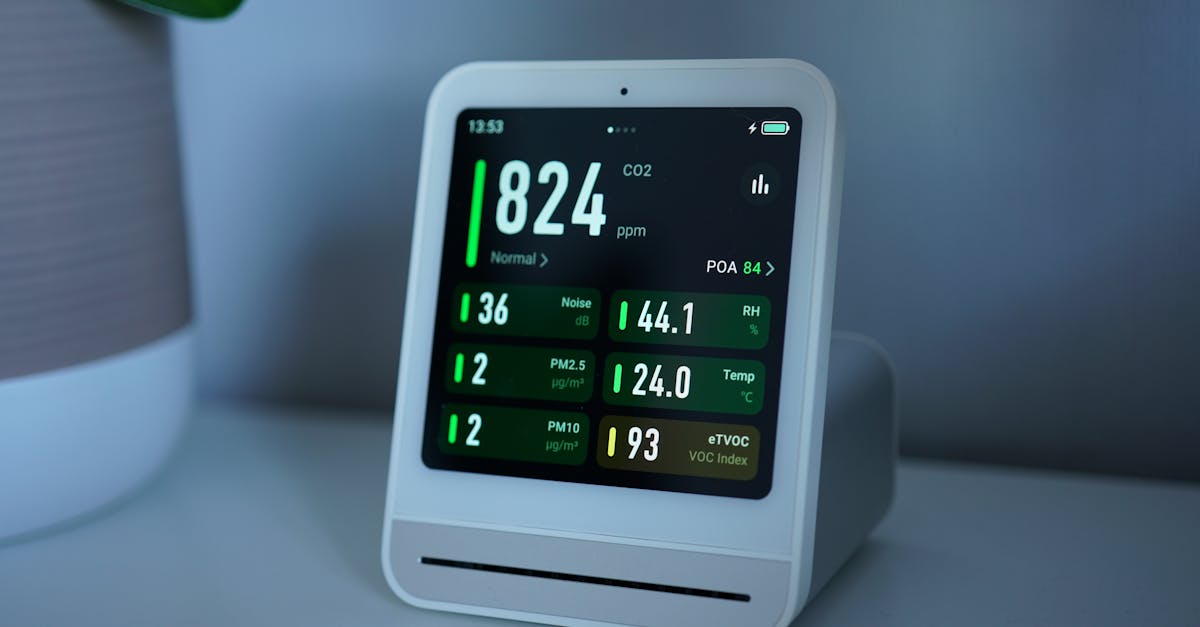
A digital display provides invaluable information beyond just an alarm. It shows the current concentration of CO in parts per million (ppm). This allows you to differentiate between a brief, low-level spike (perhaps from a car briefly idling too close to an open window) and a sustained, rising threat. For instance, a quick 15 ppm reading that dissipates rapidly might warrant investigation, while a steady rise to 50 ppm or above signals an immediate need to evacuate and call emergency services. Without a display, you’re left guessing the severity, which can lead to either unnecessary panic or, worse, dangerous inaction.
The 10-year sealed battery is a game-changer for convenience and reliability. Older models required frequent battery changes (often annually), which homeowners would notoriously forget, rendering the detector useless. A sealed 10-year battery means you install it and forget about battery replacements for a decade, at which point the entire unit should be replaced anyway (CO sensors degrade over time). This significantly reduces the risk of detector failure due to neglected maintenance. If you opt for wired units, ensure they have a battery backup to maintain protection during power outages, which are often when alternative heating or cooking methods (and thus CO risks) are employed.
Investing a little more upfront for these features pays dividends in peace of mind and enhanced safety. A digital display empowers you with critical data, and a long-life battery ensures consistent, reliable protection over the long term. These aren’t luxury features; they’re essential components of a robust CO safety strategy.
Regular Testing and Replacement: The Unsung Heroes of CO Safety
Having carbon monoxide detectors installed is a crucial first step, but their effectiveness hinges entirely on regular maintenance and timely replacement. This is where many homeowners fall short, treating detectors as a ‘set it and forget it’ item until a potential crisis. In my experience, neglecting these simple steps turns a life-saving device into a false sense of security.
Regular testing should be a monthly ritual, not an afterthought. Every detector has a test button. Pressing it initiates a self-test, indicating that the sensor and alarm are functioning. While this doesn’t verify the accuracy of the CO sensor itself, it confirms the unit is powered and capable of alarming. I advocate for adding this to an existing routine, like paying bills or changing HVAC filters, to make it a sticky habit. Many modern detectors also have self-diagnostic features, alerting you with a chirp or error message if there’s an internal fault.
Even more critical is timely replacement. Carbon monoxide sensors have a finite lifespan, typically 5-7 years for older models and up to 10 years for newer ones. Over time, the electrochemical sensor inside degrades, losing its sensitivity and accuracy. It’s not a matter of ‘if’ it will fail, but ‘when.’ Most detectors will signal their end-of-life with a series of chirps or a ‘replace unit’ message on a digital display. Do not ignore this warning. It means the device can no longer reliably protect you. Mark the installation date on the detector itself with a permanent marker, and set a calendar reminder for its replacement date a decade out. Treat it like a perishable item with an expiration date, because in essence, it is one. A detector that has passed its prime is no better than having no detector at all, and potentially worse, as it lulls you into a false sense of security.
Addressing Common Misconceptions About CO Detectors
Beyond the primary safety measures, I often encounter several persistent misconceptions about carbon monoxide detectors that can undermine their effectiveness or lead to dangerous practices. Dispelling these myths is crucial for truly comprehensive home safety.
One common belief is that a CO detector can double as a smoke detector, or vice versa. This is fundamentally incorrect and dangerously misleading. While some combination units exist, they contain separate sensors for each threat. A standalone smoke detector is designed to detect smoke particles from fires; it will not react to carbon monoxide. Similarly, a CO detector’s sensor is tuned specifically for CO molecules and will not reliably detect smoke. You need both types of detectors in appropriate locations for complete protection against fire and CO poisoning. Never assume one device covers all atmospheric threats.
Another misconception is that opening a window for a few minutes ‘clears’ the problem. While fresh air is crucial for immediate relief during a CO alarm, it’s not a solution to the underlying issue. A CO alarm signals a problem with a fuel-burning appliance or source. Simply ventilating the area without identifying and addressing the source is akin to patching a leaky pipe with tape – it might hold for a moment, but the problem will persist. If your CO detector goes off, evacuate immediately to fresh air, call emergency services (fire department), and have professionals identify and fix the source before re-entering. They have specialized equipment to measure CO levels safely and accurately.
Finally, some homeowners believe that small, portable CO detectors are sufficient for home protection. These are often designed for travel or temporary use and may not meet the same sensitivity or alarm threshold standards as permanently installed home units. While better than nothing in a pinch, they should not replace a network of UL-certified, properly installed home CO detectors with long-life batteries and digital displays. Relying on a single, potentially less sensitive portable unit for your entire home is taking an unnecessary risk. Always prioritize the robust, multi-point protection of dedicated home units for optimal safety.
Frequently Asked Questions
Do I really need a carbon monoxide detector if I have all-electric appliances?
Yes, absolutely. Carbon monoxide can be produced by various sources even in all-electric homes, including attached garages (from car exhaust, lawnmowers), wood-burning fireplaces/stoves, portable fuel-burning heaters, and even charcoal grills used improperly near the home. It’s a critical safety device for every household.
Where are the best places to install carbon monoxide detectors?
Install CO detectors on every habitable level of your home, especially near sleeping areas (within 10-15 feet of bedroom doors). Also, place one near or adjacent to any attached garage and near major fuel-burning appliances (like a furnace or water heater), following manufacturer guidelines for distance.
How often should I test my carbon monoxide detectors?
You should test your carbon monoxide detectors monthly by pressing the ‘test’ button. This verifies that the alarm and internal components are functioning. Additionally, always replace detectors at their expiration date, typically 5-10 years from the manufacturing date, as sensors degrade over time.
What should I do if my carbon monoxide detector goes off?
If your carbon monoxide detector alarms, immediately evacuate everyone (including pets) to fresh air outdoors. Do not re-enter the home. Call emergency services (the fire department) from a safe location and wait for them to inspect your home and identify the source of the CO before returning.
Can a smoke detector also detect carbon monoxide?
No, a standard smoke detector is designed to detect smoke from fires and cannot detect carbon monoxide. Similarly, a CO detector cannot reliably detect smoke. You need separate, dedicated smoke alarms and carbon monoxide detectors, or combination units that integrate both types of sensors, for comprehensive home safety.
What are the symptoms of carbon monoxide poisoning?
Early symptoms often mimic the flu, including headaches, dizziness, nausea, fatigue, and shortness of breath. As exposure increases, symptoms worsen to confusion, impaired coordination, and loss of consciousness. Because CO is odorless and invisible, a detector is essential for early warning.
Conclusion
Protecting your home and family from carbon monoxide poisoning isn’t about fear; it’s about informed, proactive safety. The silent, invisible nature of CO makes it one of the most insidious threats a household can face, and relying on assumptions about your home’s safety is a gamble no one should take. Installing multiple, high-quality carbon monoxide detectors, placing them correctly, and maintaining them diligently are non-negotiable aspects of responsible homeownership. Don’t wait for a dramatic event to realize their importance. Take action today to ensure these unsung heroes are ready to sound the alarm and safeguard your peace of mind. Your next step should be to check the age and placement of your current CO detectors, and if you don’t have enough, purchase and install them without delay.
Written by Lena Petrova
Productivity & Home Life
Lena brings a decade of experience in lifestyle journalism, focusing on practical living and home organization.
You Might Also Like

A Beginner's Guide to Home Network Security Beyond Changing the Password
Strengthen your home network security beyond simple passwords. Learn essential, actionable steps to protect your data and privacy.

5 Overlooked Reasons Your New Home Network Feels Slower Than Advertised
Uncover five subtle reasons your new home network underperforms its advertised speed, and learn actionable solutions to boost your internet performance.

A Beginner's Guide to Understanding EV Charging Speed Metrics Beyond the Hype
Cut through the noise to truly understand EV charging speeds. Learn how kW, kWh, and battery health affect your real-world charging times.