A Practical Checklist for Choosing a Sustainable Coffee Maker
For years, my kitchen counter was a graveyard of coffee makers. A single-serve pod machine that barely lasted a year before its pump gave out. A drip coffee maker with a flimsy plastic carafe that cracked after a month. Each purchase felt like a step forward in convenience, but a silent groan for my wallet and the planet. I was chasing the latest features, not longevity or environmental impact.
Then came the ‘aha!’ moment: a friend’s decade-old, sturdy French press that consistently delivered exceptional coffee. It made me question everything I thought I knew about buying kitchen appliances. Why was I prioritizing fleeting trends over durability and genuine sustainability? The mistake I see most often is treating a coffee maker as a disposable convenience item, rather than a long-term investment. What changed everything for me was realizing that true convenience comes from reliability, not endless features, and that sustainability isn’t just about ‘eco-friendly’ labels – it’s about the entire lifecycle of a product. Choosing a coffee maker that aligns with your values and truly lasts requires a more thoughtful approach than just grabbing the latest sale item. It means looking beyond the immediate purchase to consider the environmental footprint, the durability of materials, and the repairability of the machine itself. This isn’t just about feeling good; it’s about making a genuinely smart, long-term decision that saves you money and reduces waste over time.
Key Takeaways
- Prioritize material durability like stainless steel or borosilicate glass over plastic to ensure longevity and reduce replacement waste.
- Choose a coffee maker with modular, replaceable parts to extend its lifespan and avoid premature disposal.
- Opt for manual or semi-automatic brewing methods like French presses or pour-overs to minimize energy consumption and electronic waste.
- Research brands with transparent sustainability practices, including fair labor and ethical sourcing, to support responsible manufacturing.
Assess Material Durability to Avoid Rapid Replacements
The single most significant factor in a coffee maker’s sustainability is its lifespan. A machine made from cheap, brittle plastic will inevitably end up in a landfill far sooner than one constructed from robust materials. In my experience, the initial cost difference between a plastic-heavy model and one featuring more durable components is quickly offset by the prolonged use and reduced waste. I used to buy a new coffee maker almost every year, spending perhaps $40-$60 each time. Over five years, that’s $200-$300. A high-quality stainless steel or glass model might cost $150 initially but could easily last a decade or more, costing far less in the long run and preventing several machines from hitting the waste stream.
When evaluating materials, look for:
- Stainless Steel: This is my top recommendation for components that come into contact with water or heat. It’s incredibly durable, corrosion-resistant, and won’t leach chemicals into your coffee. Check for solid stainless steel housing rather than just a thin veneer over plastic.
- Borosilicate Glass: For carafes, borosilicate glass is far superior to standard glass or plastic. It’s thermal-shock resistant, meaning it can withstand rapid temperature changes without cracking, and it doesn’t absorb odors or flavors. My old plastic carafes always seemed to retain a faint, stale coffee smell, no matter how much I cleaned them. Glass eliminates this.
- Ceramic: Often used for grinders or some internal components, ceramic is durable and chemically inert.
- High-Quality, BPA-Free Plastics (minimal use): While aiming to minimize plastic, some internal components might still be plastic. Ensure it’s food-grade, BPA-free, and appears thick and sturdy, not thin and flexible. The less plastic, the better.
My French press, for instance, is almost entirely borosilicate glass and stainless steel. It has survived countless knocks and daily use for seven years. Compare that to a plastic drip coffee maker where the water reservoir yellowed and cracked within two years. Prioritizing these materials is not just about environmental responsibility; it’s about making a sound financial decision for an appliance you use daily.
Prioritize Repairability and Replaceable Parts
One of the biggest culprits of electronic waste is the ‘throwaway’ design of many modern appliances. When a single component fails, the entire machine becomes useless because it’s either impossible or too expensive to repair. A truly sustainable coffee maker is designed with repair in mind.
What changed everything for me was realizing that a small, inexpensive part often dictates the entire machine’s fate. The mistake I see most often is people discarding an entire coffee maker because a $10 part broke, simply because that part wasn’t designed to be replaceable.
When making your selection, consider:
- Modular Design: Can individual components like the heating element, pump, carafe, or filter basket be easily removed and replaced? Look for models where these parts are not permanently sealed or welded.
- Availability of Spare Parts: Before purchasing, do a quick online search for replacement parts for that specific model. Are they readily available from the manufacturer or third-party suppliers? What’s their average cost? Brands that actively sell spare parts demonstrate a commitment to longevity.
- Common Failure Points: Research common issues with different types of coffee makers. For instance, heating elements and water pumps are frequent culprits in electric machines. A brand that offers these as replaceable parts is a strong contender.
- Ease of Disassembly: While you might not perform complex repairs yourself, the ability to open the machine and access internal components is a good indicator of repairability. Some manufacturers even provide repair guides or videos.
For example, my current semi-automatic espresso machine, though a larger investment, was chosen specifically because the manufacturer sells every single internal component individually. When the steam wand valve started leaking after five years, I was able to order a replacement for $25 and install it myself in 30 minutes, extending the life of a $600 machine for potentially another five years. Contrast that with a previous, cheaper electric kettle that stopped heating. It was a sealed unit; a tiny, unfixable component meant it went straight to e-waste. Investing in a machine where parts are designed to be swapped out is a commitment to reducing your environmental footprint and maximizing your investment.
Consider Energy Efficiency and Brewing Method
Beyond materials and repairability, the energy consumption of your coffee maker throughout its life also contributes significantly to its overall sustainability. Different brewing methods have vastly different energy footprints.
In my experience, the convenience of electric automation often comes with a hidden energy cost and increased complexity, leading to more points of failure. The mistake I see most often is people overlooking the energy consumption of idle machines or automatic features that add little real value.
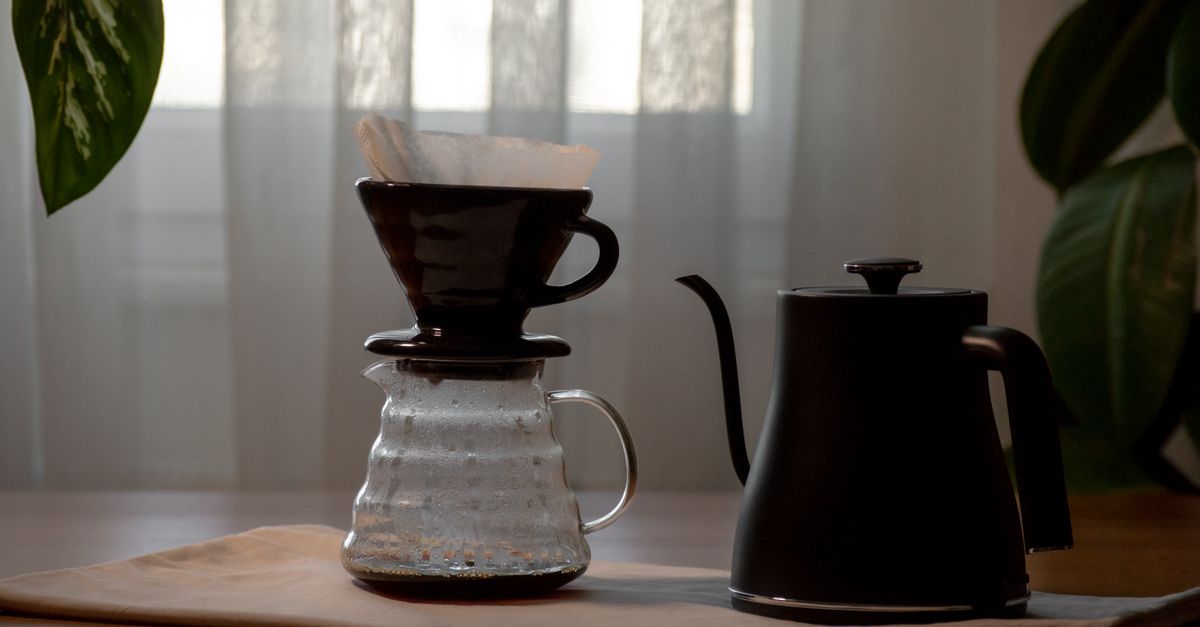
- Manual Brewing Methods (Lowest Energy): Options like the French press, pour-over (e.g., Chemex, Hario V60), Aeropress, or Moka pot require no electricity for the brewing process itself. You only use energy to heat the water, typically on a stovetop or in an electric kettle. An electric kettle heats water far more efficiently than an entire drip coffee maker’s heating element, which stays on to keep the carafe warm. For instance, boiling 1.5 liters of water in an efficient electric kettle uses roughly 0.1 kWh. A typical drip coffee maker with a warming plate can consume upwards of 0.8-1.0 kWh for a full pot, especially if the warming plate stays on for an hour or more.
- Semi-Automatic Espresso Machines (Moderate Energy): These machines heat water on demand for brewing and steaming. While they use more energy than manual methods, they generally heat water only when needed, not continuously. Look for models with an automatic shut-off feature or an ‘eco mode’ that quickly powers down after a period of inactivity.
- Automatic Drip Coffee Makers (Higher Energy): These are common but often energy hogs due to warming plates that stay on for extended periods. Look for models with programmable timers and, critically, an automatic shut-off after 15-30 minutes of non-use. This dramatically reduces wasted energy. My old drip machine would keep the plate hot for two hours by default; cutting that down to 30 minutes saves significant electricity over a year.
- Single-Serve Pod Machines (Varying Energy, but other issues): While some newer models are becoming more energy-efficient per cup, the environmental impact of disposable coffee pods generally outweighs any energy savings. If you must use one, ensure it has a quick heat-up time and an auto-shutoff.
My shift to a French press for daily coffee meant buying a highly efficient electric kettle, which serves multiple purposes beyond coffee. This simple change not only saved energy but also forced a more intentional coffee ritual, which I now cherish. An added bonus: manual methods often result in better-tasting coffee due to greater control over the brewing process.
Investigate Brand Ethics and Sustainability Initiatives
Buying a product is also an endorsement of the company behind it. A truly sustainable choice goes beyond the physical product to include the manufacturer’s broader environmental and social impact. In my experience, separating genuine commitment from greenwashing requires a bit of digging, but it’s worth it. The mistake I see most often is assuming that an ‘eco-friendly’ label on a product means the entire company operates sustainably. It rarely does.
Before making a purchase, research the brand on these points:
- Transparency Reports: Does the company publish annual sustainability reports? What do they disclose about their supply chain, manufacturing processes, carbon footprint, and waste management? Look for concrete data, not just vague mission statements.
- Certifications: Are their factories certified by reputable third-party organizations for environmental management (e.g., ISO 14001) or fair labor practices (e.g., Fair Trade, B Corp Certification)? While not exclusive to coffee makers, these certifications indicate a broader commitment.
- End-of-Life Programs: Does the company offer take-back programs for old appliances, or clear guidance on how to recycle their products properly? This is especially important for electronic components.
- Ethical Sourcing: For coffee-related products, how do they source their raw materials, particularly the coffee itself if they sell their own? Look for commitments to fair wages for farmers, sustainable agricultural practices, and avoidance of child labor.
- Company Values: Do their public statements and actions align with your personal values? A brand actively campaigning for environmental causes, for example, might be a better choice than one that merely complies with minimum regulations.
I once almost bought a coffee maker from a brand known for aggressive marketing but found their supply chain to be opaque. I opted instead for a lesser-known company that openly shared their factory’s renewable energy usage and fair wage policies for assembly line workers. It felt like a small act of protest, supporting a business that genuinely tried to do good. This kind of research transforms a simple purchase into a powerful statement, aligning your spending with your values and amplifying your impact.
Rethink Single-Serve Pod Machines for Daily Use
While convenient, single-serve coffee pod machines present unique sustainability challenges that, in my opinion, largely outweigh their benefits for daily, regular use. The mistake I see most often is people rationalizing their use by claiming they only make one cup a day, overlooking the cumulative impact of billions of discarded pods.
My own journey away from a pod machine began with the guilt of throwing away a plastic and aluminum pod every morning. I used to think the ‘recyclable’ pods were a solution, but in practice, they often aren’t truly recycled due to the complex separation process required at municipal facilities, or the simple fact that people don’t bother to clean and sort them correctly.
Consider these points if you’re thinking about a pod machine:
- Waste Generation: An estimated 56 billion coffee pods are consumed globally each year, with the vast majority ending up in landfills. The energy and resources required to produce, fill, ship, and then dispose of these single-use items are staggering.
- Recycling Challenges: Even ‘recyclable’ or ‘compostable’ pods face significant hurdles. Many municipal recycling centers can’t process them due to their mixed materials (plastic, aluminum, coffee grounds). The specialized take-back programs, while better, require conscious effort that many users don’t maintain.
- Material Input: Each pod requires virgin materials (plastic, aluminum, or sometimes plant-based plastics) for just one cup of coffee. Compare this to bulk coffee where one bag serves dozens of cups and is often more easily recyclable or compostable.
- Limited Customization: Pod machines offer less control over brewing parameters, often resulting in a less refined cup of coffee compared to other methods.
If the convenience of single-serve is non-negotiable for occasional use, consider a reusable pod system that you fill with your own grounds. While not perfect, it dramatically reduces waste. For daily coffee, however, a simple pour-over or French press with bulk, ethically sourced coffee grounds is a far more sustainable and often more satisfying choice. I discovered that the extra minute or two it takes to brew a French press is a small price to pay for a better cup of coffee and a clear conscience.
Frequently Asked Questions
Which type of coffee maker is the most sustainable?
Manual brewing methods like a French press, pour-over, or Aeropress are generally the most sustainable because they require no electricity for brewing, only for heating water in a kettle. They also typically use durable materials like glass and stainless steel, and loose coffee grounds that are easily compostable.
Are coffee makers with plastic parts inherently unsustainable?
While minimizing plastic is ideal, a coffee maker with some high-quality, BPA-free plastic components isn’t inherently unsustainable if the plastic is durable, the machine is repairable, and the overall lifespan is long. The key is to avoid flimsy plastics that break easily and make the entire machine unusable. Prioritize machines where plastic is used minimally and for non-essential parts, or where those parts are replaceable.
How can I make my existing coffee maker more sustainable?
If you already own a coffee maker, you can improve its sustainability by using reusable filters (like cloth or mesh), composting your coffee grounds, regularly descaling and cleaning it to prolong its life, and unplugging it when not in use to save energy. If it’s a pod machine, consider switching to reusable, refillable pods.
Is it better to buy a cheap coffee maker and replace it often, or an expensive one that lasts longer?
It is almost always more sustainable and cost-effective in the long run to invest in a higher-quality, more expensive coffee maker designed for durability and repairability. A cheaper machine often uses inferior materials, breaks down faster, and contributes more to landfill waste and repeated consumption of resources.
How important is a brand’s sustainability report when choosing a coffee maker?
A brand’s sustainability report is highly important as it offers transparency into their broader environmental and social impact beyond just the product itself. It indicates a company’s commitment to ethical manufacturing, supply chain responsibility, and waste reduction. Look for specific data and verifiable claims, not just vague marketing statements, to ensure genuine sustainability efforts.
The Last Drop: Making Thoughtful Choices
Choosing a sustainable coffee maker is more than just an eco-friendly trend; it’s a conscious decision that benefits your wallet, your daily routine, and the planet. By prioritizing durable materials, seeking out repairable designs, understanding energy consumption, and supporting ethical brands, you transform a simple appliance purchase into an investment in a more responsible lifestyle. My journey from a ‘graveyard of coffee makers’ to cherished, long-lasting brewing tools has proven that convenience doesn’t have to come at the expense of sustainability. It’s about thoughtful choices that lead to a better cup of coffee, and a better world, one brew at a time. So, next time you’re in the market for a new machine, remember this checklist – your future self, and the planet, will thank you.
Written by Lena Petrova
Productivity & Home Life
Lena brings a decade of experience in lifestyle journalism, focusing on practical living and home organization.
You Might Also Like

A Beginner's Guide to Home Network Security Beyond Changing the Password
Strengthen your home network security beyond simple passwords. Learn essential, actionable steps to protect your data and privacy.

5 Overlooked Reasons Your New Home Network Feels Slower Than Advertised
Uncover five subtle reasons your new home network underperforms its advertised speed, and learn actionable solutions to boost your internet performance.
Do I Need a Carbon Monoxide Detector in My Home?
Unsure if you need a carbon monoxide detector? This guide reveals the hidden dangers of CO poisoning and what truly protects your home.