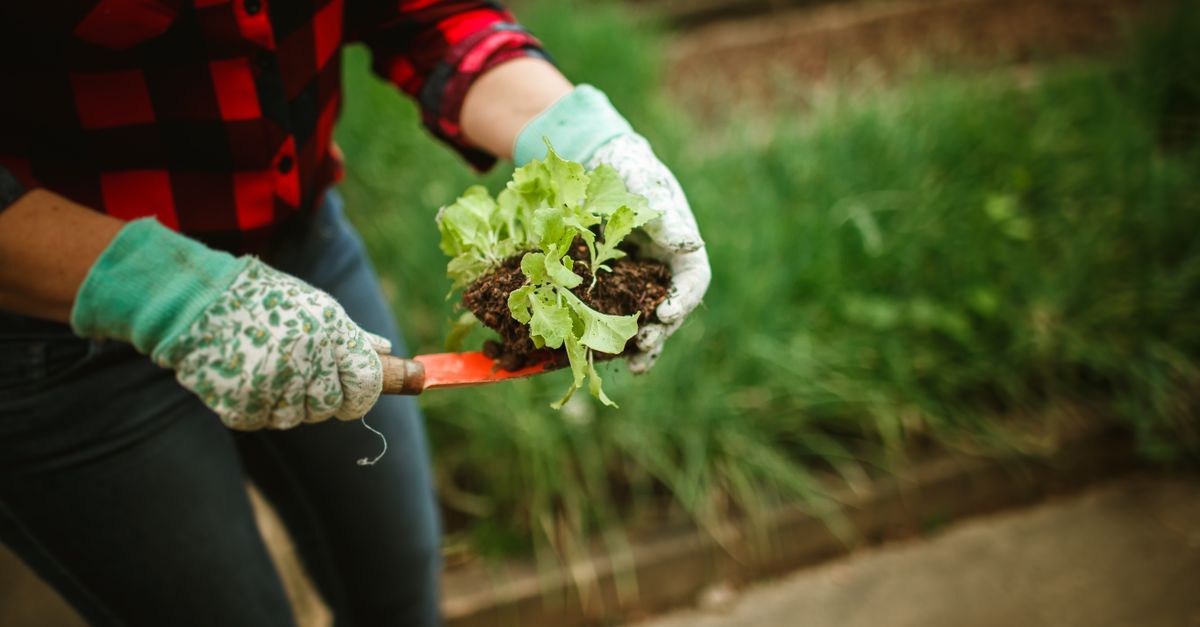
5 Overlooked Reasons Your Home Garden Struggles
Every spring, I pour my heart and soul into my home garden. I meticulously plan my beds, choose healthy starts, and diligently water. Yet, for years, something felt off. My tomatoes were less prolific than I hoped, my herbs looked stunted, and some plants just never seemed to take off. I’d research pests, diseases, and nutrient deficiencies, but the solutions never quite hit the mark. It wasn’t until I started looking beyond the obvious symptoms and digging deeper into the underlying causes that everything changed. The mistake I see most often with home gardeners is focusing solely on what’s visible above ground. We prune, we fertilize, we spray – but often, the real issues are happening in silence, below the surface or in the very structure of the environment we’ve created.
What changed everything for me was realizing that many of my garden’s struggles weren’t due to dramatic plagues but rather subtle, persistent misalignments. These aren’t the issues a quick Google search on ‘yellow leaves’ will fully resolve. They require a more holistic, investigative approach, looking at the entire ecosystem of your garden. If your plants look perpetually stressed, or your yields are consistently disappointing despite your best efforts, it’s time to consider these five overlooked culprits.
Key Takeaways
- Test your soil’s pH annually to ensure it matches your plants’ ideal range, as incorrect pH locks out nutrients.
- Avoid compacting soil by using dedicated paths and broadforks to maintain aeration and proper root growth.
- Recognize and mitigate root crowding in containers and beds to prevent stunted growth and resource competition.
- Optimize your watering technique by focusing on deep, infrequent irrigation to encourage robust root systems.
- Implement a consistent crop rotation strategy to prevent pathogen buildup and maintain soil fertility over time.
Your Soil’s pH Is Silently Starving Your Plants
When I first started gardening, I thought ‘good soil’ meant dark, crumbly stuff. I’d add compost, maybe some general fertilizer, and expect miracles. My plants, however, had other ideas. They’d grow slowly, leaves sometimes yellowing despite seemingly adequate feeding. I dismissed it as minor nutrient deficiencies, adding more all-purpose fertilizer, which often made things worse. The invisible hand at play was my soil’s pH.
Soil pH is a measure of its acidity or alkalinity, on a scale of 0 to 14. A pH of 7 is neutral, below 7 is acidic, and above 7 is alkaline. Why does this matter? Because pH directly dictates nutrient availability. Most plants, especially common vegetables, thrive in a slightly acidic to neutral range (pH 6.0-7.0). Outside of this ‘sweet spot,’ even if nutrients are abundant in the soil, your plants can’t access them. For example, in highly alkaline soil, iron and manganese become unavailable, leading to chlorosis (yellowing leaves). In very acidic soil, phosphorus, calcium, and magnesium can become locked up.
My soil, I discovered after a simple test, was consistently too alkaline (around pH 7.5-8.0), likely due to the limestone bedrock common in my area. All that compost I was adding was certainly beneficial, but it wasn’t enough to counteract the underlying pH issue for my acid-loving blueberries or even my slightly acid-preferring tomatoes.
Actionable Insight: Get a reliable soil pH test kit, not just the cheap paper strips. You can buy digital meters or send a sample to a local extension office for a comprehensive analysis. Test your soil annually, ideally in spring before planting. If your pH is off, address it gradually. To lower pH (make it more acidic), incorporate elemental sulfur or peat moss. To raise pH (make it more alkaline), add dolomitic lime. Always follow recommended application rates based on your specific test results and desired pH change. Don’t try to shift it too drastically, too quickly. It’s a long-term adjustment, and patience is key. Once your pH is balanced, you’ll find your plants suddenly ‘eat’ much better, showing robust growth and vibrant color, even with less supplemental feeding.
Soil Compaction Is Strangling Your Roots
My garden beds used to be a free-for-all. I’d walk wherever I needed to, kneeling on the soil to weed or plant. It seemed harmless enough at the time. I’d also meticulously dig and turn my soil every spring, believing I was aerating it. But my efforts were actually creating a silent killer: soil compaction.
Compacted soil is dense, reducing pore spaces needed for air and water. Roots need oxygen to respire and absorb nutrients. When soil is compacted, roots struggle to penetrate, literally getting strangled. Water also has difficulty percolating, leading to runoff and shallow root systems that are more susceptible to drought and nutrient stress. My annual digging with a spade or rototiller was creating a ‘hardpan’ layer just below the tilled surface, a dense, impermeable layer that roots couldn’t break through. This meant all my diligent watering and fertilizing was mostly benefiting the top few inches of soil, not the deeper root zones where plants really need resources.
I realized this after noticing my plants would wilt quickly in hot weather, despite regular watering, and pulling up a few struggling specimens revealed sparse, stunted roots.
Actionable Insight: Implement a strict ‘no-walk’ policy on your garden beds. Create permanent pathways, even if they’re just a few inches wide, to separate walking areas from growing areas. Instead of aggressive tilling, adopt a ‘no-dig’ or ‘minimum-dig’ approach. Use a broadfork to gently aerate the soil without inverting its layers, preserving soil structure and fungal networks. A broadfork has long tines that you push into the ground and rock back and forth, creating channels for air and water without disturbing the delicate soil ecosystem. For established beds, apply a thick layer of organic mulch (compost, straw, wood chips) annually. This not only suppresses weeds and conserves moisture but also feeds beneficial soil organisms that naturally aerate and decompact the soil over time. Within two seasons of this shift, my soil became noticeably softer, and my plants developed much more extensive, healthier root systems.
Your Plants Are Competing for Space Below Ground
I love squeezing as many plants as possible into my raised beds. The more the merrier, right? For years, I subscribed to the idea that if the leaves weren’t touching, there was enough room. I’d cram in a few extra lettuce plants here, another basil there. The result? Patchy growth, smaller yields, and plants that always looked like they were fighting an uphill battle, even when watered and fed. This was due to root crowding, a problem that often goes unnoticed because it’s entirely subterranean.
Just like above-ground competition for light, plants compete fiercely for water and nutrients below the surface. When roots are too dense, each plant’s access to resources is severely limited. Even if you’re providing ample water and fertilizer, the sheer volume of roots means each individual plant gets less. This is especially true in containers, where the root ball can become a tangled, impenetrable mass, or in raised beds where soil volume is finite. The symptoms are subtle: slower growth than expected, smaller fruit, premature bolting in leafy greens, and a general lack of vigor that’s hard to pinpoint.
I finally connected the dots when repotting some herbs and discovering their roots were a solid, white, matted block, barely clinging to any soil. It was clear they had nowhere left to grow.
Actionable Insight: Adhere strictly to recommended plant spacing, and even consider slightly increasing it in high-yield areas. For containers, use larger pots than you think you need, and be diligent about repotting or dividing plants as they grow. A good rule of thumb for container plants is that they need to be repotted when roots start to emerge from drainage holes or when the plant looks top-heavy and needs watering almost daily. In raised beds, consider square foot gardening techniques which optimize spacing but still respect root zones, ensuring each plant has adequate access to resources. When planting, gently loosen any root-bound plants by teasing the roots apart before placing them in the soil. This encourages outward growth rather than continued circling within the former pot shape. This focus on root zone generosity made a remarkable difference in the overall health and productivity of my plants.
You’re Watering Frequently, But Not Deeply Enough
My early watering strategy was simple: if the surface looked dry, I’d give it a quick sprinkle. I’d typically water every day or two, especially during hot spells. I thought I was being attentive, ensuring my plants never lacked moisture. In reality, I was inadvertently training my plants to have shallow, lazy root systems, making them incredibly vulnerable.
Frequent, shallow watering encourages roots to stay near the surface where the water is readily available. These shallow root systems are easily stressed by even short dry periods, making plants wilt quickly and become more susceptible to disease. Deep roots, conversely, can tap into deeper soil moisture reserves, making plants more resilient to drought, heat, and nutrient fluctuations. They are the foundation of a strong, healthy plant. My plants, relying on my constant surface hydration, never had a reason to explore deeper, leaving them perpetually on edge.
It took a particularly brutal heatwave to make me rethink my approach. My shallowly-rooted plants withered almost immediately, while my neighbor’s garden, which was watered less often but more thoroughly, remained vibrant.
Actionable Insight: Shift to deep, infrequent watering. Instead of light daily sprinkles, aim to water thoroughly once every few days, allowing the top layer of soil to dry out slightly between waterings. This encourages roots to grow deeper in search of moisture. To check if you’re watering deeply enough, after watering, dig a small test hole a few hours later with a trowel or use a soil moisture meter. The moisture should penetrate at least 6-8 inches for most vegetables. If not, increase the duration of your watering session. Consider using drip irrigation or soaker hoses, which deliver water slowly and directly to the root zone, minimizing evaporation and ensuring deep penetration. A thick layer of mulch (3-4 inches) also helps retain soil moisture, reducing the frequency needed. This change in watering alone dramatically improved the resilience and vigor of my garden.
Lack of Crop Rotation Is Inviting Trouble
For convenience, I used to plant my tomatoes in the same sunny spot year after year, and my beans always went into the row next to them. It made sense, given the layout of my small garden. I didn’t think much of it until I started experiencing recurring problems: blight on my tomatoes that seemed to get worse each season, and patches of stunted growth where beans had been. This was a classic case of failing to practice crop rotation.
Planting the same crop (or crops from the same family, like tomatoes, peppers, and eggplants) in the same spot repeatedly creates a perfect storm for soil-borne diseases and pests. Pathogens specific to those crops build up in the soil, patiently waiting for their preferred host to return. Each season, the inoculum grows stronger, making your plants more vulnerable. Additionally, each plant family has specific nutrient requirements. Continually planting the same crop depletes those specific nutrients from that spot, creating imbalances and reducing overall soil fertility over time.
My recurring tomato blight was a clear signal that I had created a pathogen hotspot. Moving them just one season made a visible difference.
Actionable Insight: Implement a simple crop rotation strategy, even in a small home garden. Divide your garden into 3-4 zones and rotate plant families through these zones annually. A common rotation groups plants into categories like: (1) Leafy greens/Brassicas (lettuce, kale, cabbage), (2) Root vegetables (carrots, potatoes, beets), (3) Legumes (beans, peas), and (4) Fruiting vegetables (tomatoes, peppers, squash). The goal is to avoid planting the same family in the same spot for at least 3-4 years. This breaks disease and pest cycles, and helps balance nutrient use, as different plant families utilize and contribute different nutrients to the soil (e.g., legumes fix nitrogen). Keep a simple garden journal to track what you planted where each year. This proactive approach significantly reduces pest and disease pressure, leading to healthier soil and consistently higher yields over the long term.
Frequently Asked Questions
How often should I test my soil pH?
I recommend testing your soil pH annually, ideally in early spring before planting. If you’re making significant amendments to change your pH, you might want to test again in late fall to monitor progress. Consistent monitoring helps you maintain the optimal range for your plants and catch any shifts early.
Can I fix compacted soil without digging?
Absolutely. For existing beds, the best method is a ‘no-dig’ approach combined with regular mulching. Apply a thick layer of organic material like compost, straw, or leaves. Earthworms and other soil organisms will naturally decompact the soil as they work. You can also use a broadfork to gently aerate without turning the soil. Avoid walking on your beds to prevent future compaction.
What are the signs of root crowding?
Signs of root crowding can be subtle: stunted growth despite adequate water and nutrients, plants wilting quickly in warm weather, smaller than expected fruit or leaves, and a general lack of vigor. If you gently unpot a struggling container plant, you’ll often see a dense, matted ball of roots circling the pot, with little visible soil.
Is it possible to overwater using deep, infrequent irrigation?
Yes, it is possible to overwater even with deep, infrequent irrigation if your soil has poor drainage or if you’re watering too frequently for your specific soil type and climate. The key is allowing the top few inches of soil to dry out between waterings. Use a soil moisture meter or the ‘finger test’ (inserting your finger 2-3 inches into the soil) to determine when your plants truly need water, rather than sticking to a rigid schedule.
What if my garden is too small for full crop rotation?
Even in a small garden, you can practice a modified crop rotation. Instead of large zones, focus on rotating within individual raised beds or even large containers. Keep different plant families separated as much as possible, moving them to a different spot each year. For very small spaces, consider growing some crops in containers that can be easily moved to different areas or even replaced with fresh soil annually to break disease cycles. The principle remains the same: avoid planting the exact same crop in the exact same spot year after year.
By proactively addressing these often-overlooked aspects of your garden’s environment, you’ll set your plants up for success from the roots up. It’s a shift from reactive problem-solving to proactive, holistic garden care that will reward you with healthier plants and more abundant harvests for years to come.
Written by Lena Petrova
Productivity & Home Life
Lena brings a decade of experience in lifestyle journalism, focusing on practical living and home organization.
You Might Also Like

A Beginner's Guide to Home Network Security Beyond Changing the Password
Strengthen your home network security beyond simple passwords. Learn essential, actionable steps to protect your data and privacy.

5 Overlooked Reasons Your New Home Network Feels Slower Than Advertised
Uncover five subtle reasons your new home network underperforms its advertised speed, and learn actionable solutions to boost your internet performance.

Do I Need a Carbon Monoxide Detector in My Home?
Unsure if you need a carbon monoxide detector? This guide reveals the hidden dangers of CO poisoning and what truly protects your home.