Why Most Beginners Fail at Mastering Their New Air Purifier (And The Layered Approach That Actually Works)
You just spent good money on a sleek new air purifier. You plugged it in, hit ‘auto,’ and waited for that crisp, clean air feeling. A few weeks later, you’re still sneezing, your allergies are flaring, and that ‘fresh’ scent is nowhere to be found. The device whirs quietly in the corner, a monument to your unmet expectations. What went wrong?
In my experience, the biggest mistake beginners make with air purifiers isn’t in choosing the wrong model, but in a fundamental misunderstanding of how air quality actually works in a real home. They treat it as a ‘set it and forget it’ appliance, like a toaster. The reality is far more nuanced. An air purifier is a tool, and like any tool, its effectiveness depends on how you use it, where you place it, and what other factors in your environment are working against it. It’s a layered problem, and only a layered solution will truly make a difference.
Key Takeaways
- Air purifiers are not ‘set it and forget it’ devices; effective use requires understanding your specific air quality challenges.
- Strategic placement and correct sizing are more critical than any advanced feature on the purifier itself.
- Regular, meticulous filter maintenance is non-negotiable for sustained performance and efficiency.
- Real air quality improvement comes from combining purification with active source reduction and proper ventilation.
Underestimating Room Volume and Air Changes Per Hour (ACH)
When most people buy an air purifier, they glance at the ‘square footage’ rating on the box. What they often miss is the crucial concept of Air Changes Per Hour (ACH). My clients, when they first approach me about their air quality frustrations, invariably focus on square footage alone. They’ll say, “My living room is 300 sq ft, and my purifier is rated for 350, so it should be fine, right?”
Wrong. Square footage is only one dimension. The height of your ceilings dramatically impacts the total cubic feet of air the purifier needs to process. A 300 sq ft room with 8-foot ceilings is 2,400 cubic feet. The same square footage with 10-foot ceilings is 3,000 cubic feet – a 25% increase in air volume! Most manufacturers recommend at least 4-5 ACH for effective purification, especially for allergy sufferers. This means the purifier should be able to process all the air in your room 4-5 times every hour.
What changed everything for me was realizing I needed to calculate the actual cubic feet for each room and then cross-reference that with the purifier’s CADR (Clean Air Delivery Rate). CADR measures how quickly the purifier removes specific pollutants (smoke, dust, pollen) from the air. To get your effective ACH, you divide the CADR by the room’s cubic feet and multiply by 60 (for minutes). If your target is 5 ACH, and your calculated ACH is only 2, your purifier is simply undersized for the job, no matter what the square footage rating suggests. The mistake I see most often is prioritizing a cheaper, lower CADR unit for a larger space, leading to perpetual underperformance.
Actionable Insight: Don’t just look at square footage. Calculate the cubic feet of your room (Length x Width x Height). Then, find your purifier’s CADR for dust, pollen, and smoke. Aim for a CADR that allows for at least 4-5 ACH for your room’s cubic volume (CADR / Room Cubic Feet * 60 = ACH). If your current unit falls short, consider adding a second unit or upgrading to a higher CADR model.
Overlooking Strategic Placement and Airflow Dynamics
Many beginners treat their air purifier like a piece of furniture, tucking it into a corner or behind a couch for aesthetic reasons. This is a critical error that severely limits its effectiveness. Air purifiers need to draw in dirty air and expel clean air efficiently. If you obstruct its intake or exhaust vents, or place it in a dead zone, it simply can’t do its job.
I remember a client who complained their expensive, high-CADR unit wasn’t making a dent in their pet dander issues. When I visited, the purifier was nestled perfectly in a corner, surrounded by plants and a bulky armchair. It was essentially trying to purify a tiny pocket of air. Airflow is like water; it needs to circulate. Corners, tight spaces, and areas blocked by furniture create stagnant air zones where pollutants linger. Furthermore, placing a purifier too close to a wall can reduce its intake efficiency, as it’s drawing air from a limited area.
What changed everything for me was understanding that an air purifier needs to be where it can best participate in the room’s natural air currents. Imagine an invisible path the air takes from polluted areas (like where a pet sleeps or near a window bringing in pollen) to the purifier, and then from the purifier’s exhaust to help circulate clean air throughout the room. Ideally, it should be placed in a central, open location, or at least with significant clear space (1-2 feet) around all its vents.
Actionable Insight: Position your air purifier with at least 1-2 feet of clear space around all its intake and exhaust vents. Avoid placing it directly in corners, behind large furniture, or directly against a wall if the intake is on the back. Consider placing it near common sources of pollution (e.g., in the living room near a pet bed, in the bedroom away from the wall opposite the door). Experiment with placement to find where it feels most effective. Don’t be afraid to move it!
Neglecting Filter Maintenance and Replacement Schedules
This is perhaps the most common, and frankly, most baffling oversight. People will spend hundreds on a purifier and then balk at spending $50 on a new filter every 6-12 months. This is akin to buying a high-performance sports car and never changing the oil. Filters are the heart of your air purifier. When they become clogged with dust, pet dander, pollen, and other pollutants, the purifier’s efficiency plummets. It has to work harder, consuming more energy, making more noise, and delivering significantly less clean air.
I’ve seen filters so caked with grime they looked like felt boards. The client insisted the purifier was still working because the fan was on. But a fan blowing air through a completely clogged filter is just recirculating stale air, or worse, pushing trapped particles back into the room. Most purifiers have a filter indicator light, but these are often based on hours of operation and can’t truly gauge the level of particulate buildup in your unique environment.
What changed everything for me was realizing that filter maintenance isn’t a suggestion, it’s a strict requirement. I now visibly inspect my filters at least once a month. For pre-filters (the first layer designed to catch larger particles), I vacuum them clean every 2-4 weeks. For the HEPA and activated carbon filters, I mark my calendar for replacement based on manufacturer recommendations, and I don’t wait for the indicator light if I notice a decline in performance or a strange odor. The cost of filters is an investment in your health and the longevity of your machine.
Actionable Insight: Develop a strict filter maintenance schedule. For pre-filters, vacuum them clean every 2-4 weeks. For HEPA and activated carbon filters, follow the manufacturer’s replacement guidelines (typically 6-12 months), and keep spare filters on hand. Don’t rely solely on the indicator light; visibly inspect your filters and replace them proactively if they look heavily soiled or if you notice reduced airflow or lingering odors.
Ignoring Source Reduction and Proper Ventilation
An air purifier is designed to remove pollutants from the air. It’s not a magic bullet that stops new pollutants from entering your air or being generated within your home. Many beginners fail to see the purifier as part of a larger ecosystem of air quality management. They run their purifier but continue practices that flood their home with new particles and chemicals.
Think about it: if you’re battling persistent dust, but never dust your surfaces, open windows on high-pollen days without screens, or continue using scented candles and harsh chemical cleaners, your purifier is fighting an uphill battle it can never truly win. It’s like trying to bail out a leaky boat without patching the holes.
What changed everything for me was adopting a holistic approach. I started by identifying and eliminating major sources of indoor air pollution: switching to fragrance-free cleaning products, investing in a good doormat and a ‘no shoes in the house’ rule, using my range hood every time I cooked, and opening windows for cross-ventilation when outdoor air quality allowed. My air purifier then became a powerful supplement to these efforts, not a standalone solution. It helps capture the remaining airborne particles, but it’s not overwhelmed by a constant influx of new ones.
Actionable Insight: Supplement your air purifier’s work with active source reduction. Dust and vacuum regularly with a HEPA-filtered vacuum. Avoid harsh chemical cleaners and synthetic fragrances (candles, air fresheners). Use exhaust fans in kitchens and bathrooms. Practice a ‘no shoes inside’ policy. On days with good outdoor air quality, open windows for 10-15 minutes to allow for natural ventilation. Address any mold or excessive moisture issues promptly.
Overlooking the Importance of a Sealed Environment
This might seem obvious, but many new air purifier owners simply overlook the basic physics: an air purifier works best in a contained space. If you’re running a purifier in your bedroom but leave the door wide open all day, or if you have old, leaky windows, you’re essentially trying to purify the entire house or even the outside air. This dramatically reduces the purifier’s efficiency and strains its filters unnecessarily.
I once helped a friend troubleshoot his perpetually ineffective bedroom purifier. He had the latest model, perfectly sized, with new filters. Yet, his morning allergies persisted. The culprit? His bedroom door was always ajar, and his old windows had significant gaps, allowing continuous infiltration of dust and allergens from the rest of the house and outdoors. The purifier was working overtime, but the purified air was constantly being diluted by unpurified air.
What changed everything for me was treating each room with a purifier as its own mini-ecosystem. When I’m actively purifying a space, especially overnight, I make sure doors are closed and windows are sealed. This allows the purifier to achieve the target ACH and maintain cleaner air more effectively. It’s not about sealing yourself in a bubble 24/7, but about being intentional during peak purification times, like while you sleep.
Actionable Insight: Maximize your purifier’s effectiveness by ensuring the room is as sealed as possible during operation, especially when you need peak performance (e.g., while sleeping). Close doors and windows. Consider weatherstripping for drafty windows and doors. This creates a smaller, more manageable volume of air for the purifier to clean, leading to quicker and more sustained results.
Frequently Asked Questions
Q: How long should I run my air purifier each day?
A: For optimal results, especially if you have allergies, asthma, or pets, I recommend running your air purifier 24/7. Air quality issues are continuous, and a purifier is most effective when it maintains a consistent level of clean air. If you must turn it off, prioritize running it while you sleep and during times when pollution sources are highest (e.g., cooking, pet activity).
Q: Can I use essential oils or air fresheners with my air purifier?
A: I strongly advise against using essential oil diffusers or synthetic air fresheners with your air purifier. These products introduce VOCs (Volatile Organic Compounds) and other particles into the air, which can actually degrade your air quality and prematurely clog your purifier’s filters. The purpose of a purifier is to remove, not add, pollutants.
Q: My air purifier has a ‘silent’ or ‘sleep’ mode. Is this effective?
A: While convenient for noise reduction, ‘silent’ or ‘sleep’ modes typically run the fan at its lowest setting, which significantly reduces the CADR and thus the ACH. It will still clean the air, but at a much slower rate. I recommend using these modes only if the noise is truly disruptive. For maximum effectiveness, especially in a bedroom overnight, aim for the highest fan setting you can comfortably tolerate.
Q: How do I know if my air purifier is actually working?
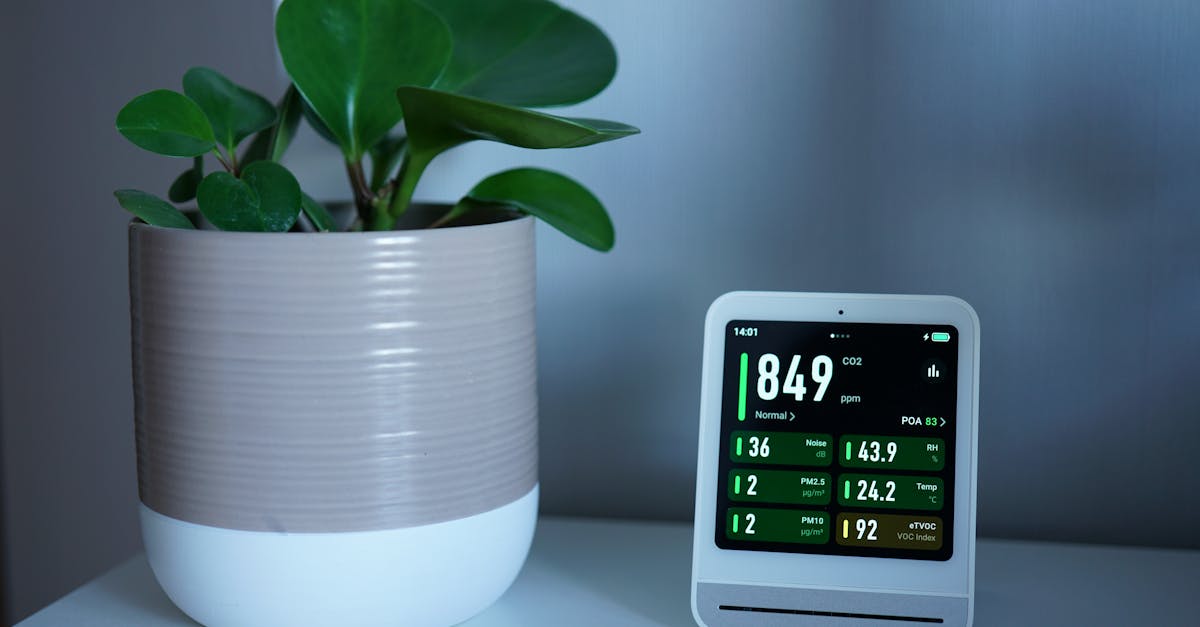
A: Besides a noticeable reduction in allergy symptoms or odors, the most reliable way is to use a separate indoor air quality (IAQ) monitor. These devices can measure particulate matter (PM2.5, PM10), VOCs, and sometimes CO2. By placing one in the room, you can see real-time data on how your purifier (and other habits) are impacting your air quality. Visually inspecting dirty filters is also a good, albeit less precise, indicator.
Q: Should I buy a smart air purifier with an auto mode?
A: Smart air purifiers with auto modes can be convenient as they adjust fan speed based on detected pollution levels. However, they are only as good as their sensors. If your unit is struggling with high baseline pollution or consistent new sources, its ‘auto’ mode might never kick into high gear long enough. Use auto mode, but don’t rely on it exclusively. Manually override to a higher setting when you know pollutants are present (e.g., after cooking or when vacuuming).
Conclusion
Your air purifier can be a powerful ally in creating a healthier home environment, but only if you approach it with an understanding of its capabilities and limitations. It’s not a passive appliance; it’s an active component of your wellness strategy. By applying a layered approach – understanding your room’s volume, optimizing placement, diligently maintaining filters, reducing pollutant sources, and ensuring a contained environment – you’ll move beyond beginner frustrations and genuinely master your indoor air quality. It takes a little effort, but the payoff in better sleep, fewer allergy symptoms, and overall well-being is immeasurable. Start by calculating your room’s cubic footage and your purifier’s effective ACH today; it’s the first step to truly breathing easier.
Written by Samuel 'Sam' Rivers
Wellness & Habits
Sam is a former behavioral science researcher with a knack for translating complex concepts into actionable habits.
You Might Also Like

I Tracked My Morning Coffee for a Month: What My Sleep Revealed
I tracked my morning coffee intake for a month, uncovering unexpected connections to my sleep quality and energy. Here's what changed everything.
Six Months Without a Smart Toothbrush: My Dental Health Revelation
After using a smart toothbrush for years, I switched back to a basic electric model. My dental health insights were unexpected.

5 Ways Your Home Humidifier Is Costing You Health and Money
Discover the non-obvious ways your humidifier might be costing you health and money, and what to do instead for optimal indoor air quality.