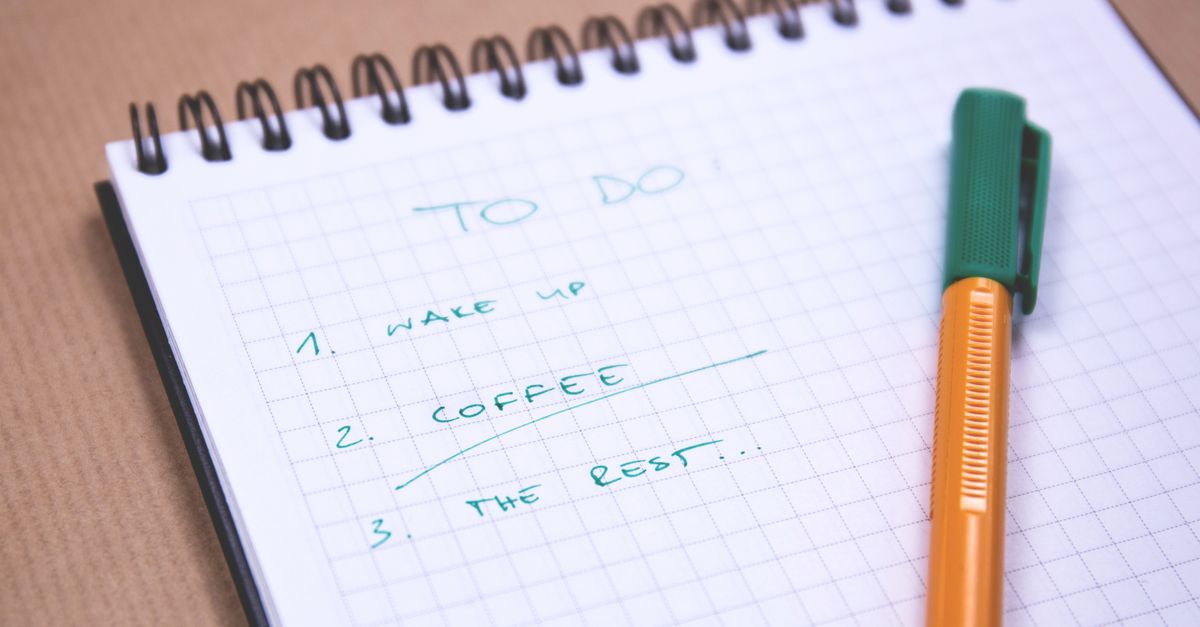
A Perfect Morning Routine Undermines Real Productivity
You’ve seen the headlines, heard the gurus, and probably even tried to implement one yourself: the ‘perfect’ morning routine. It’s usually a carefully curated sequence of activities starting at 5 AM, involving meditation, journaling, exercise, and a gourmet breakfast, all before the rest of the world has even hit the snooze button. For years, I chased this elusive ideal, waking up with military precision, determined to tick every box on my pre-work checklist. I thought this rigid structure was the key to unlocking boundless productivity and unshakeable calm. But what I discovered, after months of forcing myself into a mold that didn’t quite fit, was the exact opposite: the pursuit of a perfect morning routine can actually undermine real, sustainable productivity and leave you feeling more drained than empowered.
I was convinced that if I just followed the ‘right’ steps, my day would unfold seamlessly. I’d set my alarm for 5:30 AM, ready to launch into a 10-minute meditation, followed by 30 minutes of high-intensity interval training, then 20 minutes of ‘deep work’ writing, all before sipping a meticulously brewed coffee while reviewing my daily goals. The reality? Some mornings I’d wake up feeling sluggish, battling a low-grade headache, or simply needing an extra hour of sleep. Instead of listening to my body, I’d push through, adhering to the routine, only to find myself hitting a wall by mid-morning. My focus would wane, my creativity would stall, and I’d carry a subtle resentment towards the very routine I believed was supposed to empower me. The mistake I see most often is that we confuse structure with rigidity, and a fixed schedule with genuine personal optimization. What changed everything for me was embracing a more fluid, responsive approach to my mornings, understanding that true productivity isn’t about perfectly executing a pre-set plan, but about optimizing for actual energy and focus on any given day.
Key Takeaways
- Rigid morning routines can lead to burnout and decreased overall productivity by ignoring fluctuating energy levels.
- True morning optimization involves listening to your body and adjusting your activities based on daily needs.
- Prioritize a few ‘non-negotiable’ morning activities that genuinely support your well-being, allowing flexibility for others.
- Design a ‘menu’ of morning activities to choose from, enabling responsive planning rather than rigid adherence.
The Burnout Trap: Why Fixed Routines Exhaust More Than They Energize
My initial foray into the ‘perfect morning’ involved a zealous commitment to every element, every single day. I’d read countless articles and books touting the benefits of early rising and intense morning rituals, so I adopted them wholesale. For example, my routine included 30 minutes of a specific type of journaling – free-form, stream-of-consciousness writing. While this is a powerful practice, forcing myself to do it even on days when my mind felt empty or overwhelmed felt counterproductive. I’d stare at a blank page, feeling pressure to ‘produce’ insights, rather than allowing them to emerge naturally. This wasn’t mindful reflection; it was another item on a to-do list, generating anxiety instead of clarity. The core issue was a fundamental misunderstanding: a routine is meant to serve you, not the other way around.
When we cling to a fixed routine regardless of our physical or mental state, we’re essentially ignoring crucial biofeedback. One week, I had a demanding project that required late-night work sessions. The next morning, I was still committed to my 5:30 AM alarm and full routine. By Wednesday, I was irritable, making careless errors in my work, and craving sugar to compensate for the sleep deficit. My body was screaming for rest, but my ‘perfect routine’ insisted on HIIT and focused writing. The result was not enhanced productivity, but a steep decline in performance and a mounting sense of exhaustion. I was burning my candles at both ends, all in the name of a routine that was supposed to prevent burnout. This is the burnout trap: the belief that more discipline, even at the cost of well-being, will always yield more. In reality, it yields depletion.
Listening to Your Body: The First Step to Real Morning Optimization
Breaking free from the burnout trap required a radical shift: I had to start listening to my body. This sounds simple, almost cliché, but it’s astonishing how many of us override our natural rhythms in pursuit of an external ideal. My turning point came after a particularly grueling week. I woke up on a Saturday morning, exhausted, and instead of guilt-tripping myself into my ‘scheduled’ workout, I simply lay in bed and asked myself, ‘What do I actually need right now?’ The answer was clear: rest. I slept for another hour, woke up gently, and then opted for a slow, gentle walk instead of my usual intense run. The difference in my mood and mental clarity was profound.
This experience taught me that true morning optimization isn’t about imposing a template; it’s about responding to your daily needs. On days when I wake up feeling energized, I might gravitate towards a more active morning – a longer run, an intense yoga session, or a deep dive into a creative project. On days when I feel depleted, or know I have a mentally taxing afternoon ahead, I might choose quieter activities – a few extra minutes of sleep, a longer meditation, or simply a leisurely cup of tea while gazing out the window. This isn’t laziness; it’s intelligent self-management. It’s about recognizing that your capacity fluctuates, and adapting accordingly prevents depletion before the day even truly begins. I found my overall productivity and creativity soared when I stopped fighting my body’s signals and started working with them.
The Power of the Non-Negotiables: Anchoring Your Morning with Intentionality
While ditching a rigid routine was liberating, I quickly realized that complete absence of structure could also lead to aimlessness. The solution lay in identifying ‘non-negotiables’ – 1 to 3 core activities that genuinely uplift and prepare me for the day, regardless of my energy levels. These are the anchors that provide direction without becoming a straitjacket. For me, these evolved into:
- Hydration: A large glass of water immediately upon waking. This is simple, quick, and universally beneficial. It helps my body rehydrate after sleep and kickstarts my metabolism without demanding mental effort.
- Mindful Movement: This is flexible. It could be 5 minutes of stretching if I’m tired, a 20-minute walk if I have more energy, or a quick 10-minute bodyweight flow. The key is movement that connects me to my body, not performance-driven exercise.
- Brief Planning & Intention Setting: Instead of a long journaling session, I now dedicate 5-10 minutes to review my top 3 priorities for the day and set a single positive intention. This grounds me and directs my focus without becoming a daunting task.
By having these non-negotiables, I ensure that even on the busiest or most sluggish mornings, I still engage in practices that support my well-being and prime me for focused work. They provide a sense of accomplishment and control, without the accompanying pressure of a marathon routine. In my experience, these core elements become automatic, requiring minimal willpower, yet delivering consistent benefits. The remaining time in my morning becomes a flexible ‘buffer’ to be filled with other activities, or simply enjoyed as quiet space, depending on what feels right.
Building a Morning ‘Activity Menu’: Customization for Peak Performance
To effectively implement a flexible morning, I developed a ‘morning activity menu.’ This is a list of activities, categorized by their energy demand and desired outcome, that I can choose from each day. Instead of a fixed sequence, I can ‘build’ my morning on the fly based on how I feel and what my day demands. Here’s a simplified version of my menu:
Low Energy/Restorative:
- Extra 30-60 minutes of sleep
- Gentle stretching (5-10 min)
- Mindful breathing or short guided meditation (5-15 min)
- Leisurely tea/coffee, quiet reflection
- Listening to calming music or a podcast
Moderate Energy/Balanced:
- 20-minute brisk walk or light jog
- Yoga flow (20-30 min)
- Focused reading (15-20 min)
- Reviewing complex problems (15 min)
- Deep breathing exercises (10 min)
High Energy/Productive:
- HIIT workout or strength training (30-45 min)
- Creative writing or brainstorming (20-30 min)
- Tackling a ‘most important task’ for 30 minutes (Deep Work)
- Engaging in a stimulating conversation or learning new skill (20 min)
Each morning, after completing my non-negotiables, I scan this menu. If I’m feeling particularly energetic and know I have a tight deadline, I might opt for 30 minutes of creative writing to get a head start. If I’m feeling a bit tired but need mental clarity, I might choose a brisk walk followed by focused reading. This ‘menu’ approach has revolutionized my mornings. It removes the guilt of ‘failing’ a rigid routine and replaces it with the empowerment of making conscious, beneficial choices for my well-being and productivity. This level of customization ensures that my morning truly supports the rest of my day, rather than draining me before it even begins.
The Flexibility Dividend: More Focus, Less Stress
The most significant benefit of this flexible morning strategy has been a noticeable reduction in stress and an increase in sustained focus throughout the day. When I was beholden to a rigid 5 AM routine, any deviation—a late night, unexpected travel, or even just a restless sleep—would throw me off. The mental energy spent trying to force myself back on schedule, or feeling guilty for ‘failing,’ was far more detrimental to my productivity than simply adjusting. Now, if I wake up feeling genuinely rested at 6:15 AM, I don’t lament the ‘lost’ 45 minutes; I celebrate the fact that I listened to my body and gained valuable restorative sleep. I then build my morning from the menu of activities that align with my current energy.
This flexibility extends beyond just my mornings. It has instilled a broader understanding that sustained high performance isn’t about constant effort, but about intelligent energy management. Instead of rigidly scheduling 8 hours of deep work, I now plan for focused sprints, interspersed with genuine breaks and restorative activities. My entire workflow has become more responsive and, ironically, more productive. My creativity flows more freely because I’m not constantly battling internal resistance, and I’m less prone to the mid-afternoon slump that used to plague me. The ‘flexibility dividend’ is real: it pays out in enhanced mental clarity, reduced burnout, and a much more harmonious relationship with my own work and well-being.
Redefining Morning Success: Beyond the Checklist
Ultimately, my journey has led me to redefine what a ‘successful’ morning truly means. It’s no longer about a perfectly executed checklist starting at an arbitrary early hour. Instead, it’s about a morning that honors my current state, primes me for the day ahead, and creates a sense of peace and preparedness. On some days, that might mean an invigorating run and tackling a big creative task. On others, it might mean sleeping in, a slow meditation, and gentle movement. Both are successful if they align with my needs and contribute to my overall well-being and effective output. The illusion of the ‘perfect’ morning routine is that it’s a one-size-fits-all formula for success. The reality is that true morning power comes from understanding and responding to your unique, ever-changing needs.
This isn’t to say structure is bad. Structure can be incredibly supportive. But structure should be a flexible framework, not a rigid cage. By building a morning that’s responsive, anchored by a few non-negotiables, and customized with a menu of options, you move from merely following a routine to truly optimizing your start to the day. This shift from obligation to intention has been the most significant unlock in my productivity and overall quality of life. Stop chasing the perfect morning routine. Start creating your perfectly responsive morning instead.
Frequently Asked Questions
What are ‘non-negotiables’ in a morning routine?
Non-negotiables are 1-3 core activities you commit to doing every morning, regardless of how you feel, because they genuinely support your well-being and daily preparation. Examples include immediate hydration, a short period of mindful movement, or 5-10 minutes of planning and intention setting. They provide structure without rigidity.
How do I figure out what my ‘non-negotiables’ should be?
Reflect on what consistently makes you feel better, more focused, or more prepared for your day. Choose activities that are low-effort, universally beneficial, and take a relatively short amount of time (e.g., under 15 minutes). Test different activities and observe their impact on your mood and energy throughout the day.
Won’t a flexible morning routine lead to inconsistency and less productivity?
Paradoxically, rigid routines often lead to less consistency because they don’t account for natural fluctuations in energy, sleep, or external demands. A flexible routine, where you listen to your body and choose from an activity menu, promotes sustainable consistency by aligning your actions with your actual capacity, leading to more focused and less stressful productivity.
How can I stop feeling guilty if I don’t stick to an ambitious morning routine?
The key is to reframe your mindset: instead of viewing deviations as ‘failures,’ see them as intelligent responses to your body’s needs. Implement a ‘morning activity menu’ so you always have beneficial options, even on low-energy days. Celebrate listening to your body, as this is a form of self-care that ultimately boosts long-term productivity and well-being.
What if I don’t have much time in the morning for a flexible routine?
Even with limited time, focus on your non-negotiables. These are designed to be quick and impactful. For example, 1 glass of water, 5 minutes of stretching, and 2 minutes to set a daily intention can all be done in under 10 minutes. The flexibility comes in how you choose to fill any additional moments, or simply by accepting that a shorter, intentional morning is perfectly adequate when time is scarce.
Written by Lena Petrova
Productivity & Home Life
Lena brings a decade of experience in lifestyle journalism, focusing on practical living and home organization.
You Might Also Like

Digital Notes or Physical Notes: Which Cultivates Deeper Focus for Learning?
Discover whether digital or physical note-taking enhances focus and learning more effectively. Lena Petrova shares her actionable insights and strategies.

60 Watts Isn't Enough: Why Your USB-C Cable Slows Your Devices
Discover why relying on standard 60W USB-C cables might be throttling your charging and data speeds, and what to look for instead.

Digital Calendars Against Paper Planners: Which Cultivates Deeper Focus?
Uncover whether digital calendars or paper planners better enhance focus for scheduling and task management. A head-to-head comparison for trendsetters.