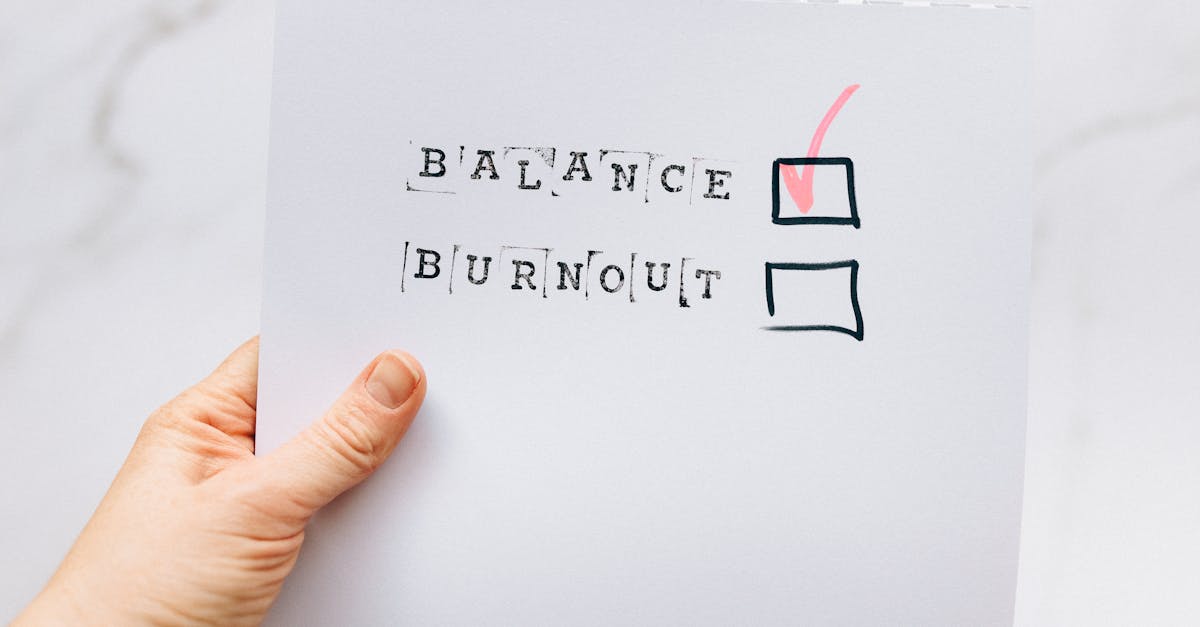
Why Daily Decisions Drain Your Willpower (And How to Combat Decision Fatigue)
You’re standing in front of your open fridge, staring at ingredients for dinner. It’s 6 PM, you’ve just finished a long workday, and suddenly, the simple act of choosing what to cook feels like scaling Everest. Or maybe it’s the morning, trying to pick out an outfit, and you find yourself paralyzed, staring blankly into your closet for what feels like an eternity. By the time you finally make a choice, you feel a subtle but distinct sense of exhaustion, even before the day has truly begun or dinner has been cooked. This isn’t just you being ‘indecisive’ – it’s a real phenomenon called decision fatigue, and it silently saps your mental energy and willpower throughout the day, often leading to poorer choices when it matters most.
In my experience running a busy household and managing client projects, I’ve seen firsthand how the cumulative weight of small, seemingly insignificant daily decisions can grind you down. It’s not just the big choices that matter; it’s the hundreds of micro-decisions – what to wear, what to eat, which email to open first, what route to take – that slowly but surely deplete your mental reserves. The real danger isn’t that you’ll make a ‘wrong’ choice about your socks, but that by the time you face an important decision later in the day, your brain will be too depleted to make an optimal one. This leads to procrastination, impulsivity, or simply defaulting to the path of least resistance, which isn’t always the best path.
My journey to understanding and combating decision fatigue started when I realized that by mid-afternoon, I’d often find myself making trivial choices – like scrolling social media instead of tackling a key task – even though I knew better. It felt like my willpower just vanished. What I learned, and what changed everything for me, was that willpower isn’t an endless resource. It’s like a muscle that tires with use. The good news is, just like a muscle, you can train it and conserve its energy. The key isn’t to make better decisions, but to make fewer decisions about the things that don’t truly matter.
Key Takeaways
- Decision fatigue isn’t about being indecisive; it’s a real mental depletion caused by the cumulative weight of daily choices.
- Conserve your willpower for truly important decisions by automating or eliminating trivial choices where possible.
- Implement daily routines and ‘decision rules’ to reduce the mental load of everyday tasks.
- Proactively identify and front-load complex decisions to tackle them when your mental energy is highest.
The Hidden Drain of ‘Harmless’ Choices
Most people vastly underestimate the mental energy expended on seemingly trivial daily choices. We tend to think of ‘decisions’ as big life events: buying a house, changing careers, or making major financial investments. But the brain doesn’t discriminate between a weighty decision and a minor one when it comes to expending glucose and neural resources. Each time you weigh options, however minor, your brain is working. Think about it: every morning, before you even leave the house, you might decide:
- What to wear (clothing, accessories, shoes)
- What to eat for breakfast
- Which coffee mug to use
- What route to take to work
- Which podcasts or music to listen to
- Whether to check emails before or after your first task
Each of these small considerations chips away at your mental battery. By lunchtime, you’ve already made dozens, if not hundreds, of mini-decisions. This is why, by late afternoon, you’re more likely to grab unhealthy snacks, make impulsive purchases online, or simply zone out. Your brain is trying to conserve energy, and one way it does that is by defaulting to easier, often less optimal, choices. The mistake I see most often is people attempting to tackle their most complex or important tasks in the afternoon when their decision-making capacity is at its lowest. It’s like trying to run a marathon after sprinting all morning; you’re already depleted.
What changed everything for me was recognizing this cumulative drain. I started viewing my mental energy not as infinite, but as a finite resource, like a daily budget. If I ‘spent’ too much of that budget on small, inconsequential choices, I wouldn’t have enough left for the truly important strategic decisions I needed to make for my business and family. This realization shifted my focus from making ‘better’ decisions to making fewer decisions about things that didn’t genuinely move the needle.
Automate the Trivial: The Power of Routines and Rules
The most effective strategy I’ve found for combating decision fatigue is to automate as many trivial decisions as possible through routines and ‘decision rules.’ This isn’t about living a rigid, boring life; it’s about freeing up mental bandwidth for creativity, problem-solving, and truly meaningful choices. Think of it like this: every decision you don’t have to make is energy saved for one you do want to make.
Here’s how I apply this in my daily life:
- Wardrobe Uniforms: I’ve adopted a simplified wardrobe. I have a rotation of ‘work uniforms’ that are comfortable, presentable, and mix-and-match easily. This doesn’t mean wearing the exact same outfit every day, but having a limited, curated selection of clothes that eliminates the ‘what to wear’ debate. For example, my work uniform generally consists of dark bottoms (trousers or skirts) and solid-colored tops that can be layered. It’s simple, professional, and takes exactly zero mental effort in the morning. Famous figures like Steve Jobs and Mark Zuckerberg understood this principle well with their signature looks.
- Meal Planning: Sundays are for meal planning. I sit down and map out dinners for the entire week, create a grocery list, and often do some basic prep (chopping veggies, cooking grains). This isn’t just about saving time; it’s about removing the daily ‘what’s for dinner?’ question, which used to be a huge source of decision fatigue for me and my family. By Monday evening, I know exactly what we’re eating, and there’s no debate or last-minute scramble.
- Morning Rituals: My mornings are structured. I wake up at the same time, follow the same sequence of actions (coffee, quick workout, planning for the day), and generally eat the same few breakfast options. This isn’t because I lack imagination; it’s because it removes dozens of micro-decisions and allows me to start my day on autopilot, conserving mental energy for the actual work ahead. This is where I tackle my most important tasks, knowing my brain is fresh.
Implementing these routines felt restrictive at first, but the freedom I gained by not having to think about these daily minutiae was profound. It’s about consciously deciding once on a system, rather than repeatedly deciding every day on individual items.
The ‘Single Best Choice’ Fallacy and Batching
One of the biggest culprits contributing to decision fatigue is the idea that we must always make the ‘single best choice’ for every little thing. This pursuit of perfection is exhausting and often unnecessary. Do you really need to research the absolute ‘best’ brand of paper towels, or will an adequate one suffice? The opportunity cost of overthinking these minor decisions is huge: it steals time and mental energy from things that truly matter.
Instead of striving for perfection, aim for ‘good enough’ in low-stakes areas. This isn’t about settling; it’s about strategic conservation of your mental resources. When I go grocery shopping, for instance, I don’t agonize over which brand of oats to buy. I pick the one I know is reliable or on sale, and I move on. The mental energy saved far outweighs any marginal benefit of finding the ‘perfect’ oat brand.
Another powerful technique is batching decisions. Rather than making a decision every time a small task arises, collect similar tasks and make all the related decisions at once. For example:
- Email Processing: Instead of checking emails throughout the day, which forces constant micro-decisions (reply now? defer? delete?), I dedicate specific blocks of time (e.g., 10 AM, 2 PM, 4 PM) to process emails. During these times, I make all my email-related decisions in one focused burst.
- Household Chores: Instead of deciding daily whether to do laundry or clean the bathroom, I have designated days for these tasks. Tuesday for laundry, Saturday morning for deeper cleaning. This eliminates the daily debate and makes the work feel less overwhelming.
- Digital Decluttering: I don’t decide whether to delete a file or organize a photo every time I create one. Once a week, I dedicate 30 minutes to digital decluttering, going through downloads, organizing files, and tidying my desktop. This batches numerous small ‘yes/no’ decisions into one focused session.
Batching works because it allows your brain to stay in one ‘mode’ for longer, reducing the cognitive switching costs that contribute to fatigue. You’re tackling similar problems with similar decision-making criteria, which is far less draining than constantly shifting contexts.
Front-Loading Complex Decisions (and Defeating Procrastination)
Given that willpower depletes throughout the day, it makes logical sense to tackle your most important and complex decisions when your mental energy is at its peak. For most people, this is in the morning, after a good night’s sleep and before the day’s demands have truly set in. This is called front-loading your critical decisions.
I used to make the mistake of leaving my most challenging analytical tasks or strategic planning for the afternoon, assuming I’d have ‘more time’ then. What actually happened was that by 3 PM, my brain was fried, and those complex tasks felt insurmountable. I’d procrastinate, defer them, or make rushed, suboptimal choices. The result was often higher stress and lower quality work.
Now, my mornings are sacred. After my routine, my first block of work is dedicated to my ‘MITs’ (Most Important Tasks) that require deep thinking and significant decision-making. This could be:
- Analyzing project data and making strategic adjustments.
- Drafting proposals or complex reports.
- Solving a challenging client problem.
- Making a significant financial decision for my business or household.
By front-loading these tasks, I leverage my peak mental performance. Even if I don’t finish the entire task, getting the critical decision-making part done first means the rest of the execution is much simpler and requires less willpower. It also provides a significant psychological boost, knowing that the hardest part of the day is already behind me.
Conversely, I reserve less demanding, more routine tasks for the afternoon when my decision-making capacity is lower. This might include responding to non-urgent emails, scheduling social media posts, administrative tasks, or light editing. This strategic allocation of tasks aligns with my energy levels, preventing burnout and ensuring I’m always putting my best mental foot forward for what truly matters.
The Power of ‘Not Deciding’ – Delegating and Eliminating
Sometimes, the best decision you can make is to not make one at all. This might sound counterintuitive, but it’s a powerful strategy against decision fatigue. There are two primary ways to implement this:
Delegate: Are there decisions that someone else can make, or even make better than you? In a professional setting, this could mean empowering team members to make decisions within their scope, rather than funneling everything through you. At home, it might mean assigning specific responsibilities to family members (e.g., your partner decides dinner Tuesdays and Thursdays, your child picks out their own clothes within a pre-approved selection).
I used to feel compelled to be involved in every single decision related to my home and work. What I found was that not only was I exhausted, but I was also bottlenecking progress. By consciously delegating decisions – giving my team clear parameters for what they could decide, or letting my children make choices within safe boundaries – I freed up enormous amounts of my own mental energy. It also fostered a sense of ownership and capability in others.
Eliminate: Are there decisions you’re making that don’t actually need to be made at all? This often involves questioning existing processes or habits. For example:
- Do you really need to compare five different brands of hand soap every time you run out, or can you just stick with one you like? (Eliminate the comparison decision).
- Do you need to check social media notifications as they come in, or can you eliminate that decision by turning them off? (Eliminate the ‘should I check this now?’ decision).
- Do you need to attend every meeting you’re invited to, or can you politely decline ones that don’t directly require your input? (Eliminate the ‘should I attend?’ decision).
This isn’t about being lazy; it’s about ruthlessly evaluating the necessity of each decision. If a decision doesn’t align with your values, goals, or bring significant benefit, consider whether it can be eliminated entirely. Often, we make decisions out of habit or a misplaced sense of obligation. A regular ‘decision audit’ can be incredibly illuminating in identifying these energy drains. My rule of thumb: if a decision feels like a chore and doesn’t directly contribute to my core priorities, I look for ways to delegate or eliminate it.
Frequently Asked Questions
What are the main signs I’m experiencing decision fatigue?
Common signs include procrastination on important tasks, impulsivity (making quick, often suboptimal choices without much thought), increased irritability or frustration, difficulty focusing, feeling mentally drained even without much physical exertion, and a tendency to avoid making any decisions at all, leading to inaction.
Does decision fatigue only affect big choices?
No, that’s a common misconception. Decision fatigue accumulates from all choices, big or small. While a major life decision certainly expends more mental energy than choosing socks, the cumulative effect of hundreds of small, daily choices is often what leads to significant depletion over time. Your brain doesn’t have an infinite supply of willpower.
Can sleep or diet help with decision fatigue?
Absolutely. Adequate sleep is crucial for mental restoration and replenishing your decision-making capacity. A well-balanced diet, particularly one that provides steady energy and avoids large blood sugar spikes and crashes, helps maintain consistent cognitive function. When you’re well-rested and properly nourished, your brain is better equipped to handle the demands of decision-making.
Is it possible to completely eliminate decision fatigue?
Completely eliminating decision fatigue is unlikely, as making choices is an inherent part of life. However, you can significantly mitigate its impact. The goal isn’t to never make a decision, but to be strategic about which decisions you make, when you make them, and how you make them, thereby conserving your mental energy for what truly matters and reducing the overall drain.
How can I get started with automating my decisions?
Start small. Pick one area where you feel consistently drained by choices, such as your morning routine or meal planning. Implement one specific change, like deciding on your outfit the night before or planning three go-to breakfast options for the week. Once that feels natural, gradually add more automated routines or decision rules. The key is consistent, small steps rather than trying to overhaul everything at once.
Conclusion: Reclaiming Your Mental Energy
Understanding and actively combating decision fatigue has been one of the most impactful shifts in my approach to productivity and daily living. It’s not about being a robot or living a life devoid of spontaneity; it’s about strategically managing your most precious mental resource – your willpower. By consciously reducing the burden of trivial choices through routines, batching, and elimination, you free up significant mental capacity for the decisions that truly shape your life, career, and well-being.
My challenge to you is to identify just one area in your daily life where you feel consistently drained by decision-making. Perhaps it’s your morning routine, what to eat for lunch, or how you handle your email inbox. Pick one, and implement a strategy – a routine, a decision rule, or a delegation – to simplify or eliminate those choices. Observe the impact over a week. You might be surprised by how much mental energy you reclaim, energy you can then reinvest into pursuits that genuinely enrich your life and lead to better, more intentional outcomes.
Written by Lena Petrova
Productivity & Home Life
Lena brings a decade of experience in lifestyle journalism, focusing on practical living and home organization.
You Might Also Like

Why Most Beginners Fail at Personal Knowledge Management (And What Actually Works)
Struggling with PKM? Learn why traditional methods fail most beginners and discover a strategic, context-driven approach for lasting insight.

Why Most Beginners Fail at Mastering Excel (And The Strategic Approach That Actually Works)
Struggling with Excel? Discover why traditional learning methods fall short and the strategic, project-based approach that truly builds mastery. Learn from Maria Chen.

Why Saying 'Sorry' Too Much Undermines You (And How to Communicate More Powerfully)
Discover why over-apologizing weakens your message and how to replace 'sorry' with more impactful communication for stronger relationships.